
Riding the Second Wave: Surfing Nicaragua Solo
San Juan del Sur has been drawing travelers to this bay for five centuries. The waves are consistent, the instructors are exceptional, and the politics are impossible to ignore. Nicaragua rewards people who observe with unblinking eyes.
"Doesn't everything die at last, and too soon? Tell me, what is it you plan to do with your one wild and precious life?"
— Mary Oliver
On May 5, 2026, Nicaragua's Vice President Rosario Murillo took to state television and called priests and pastors who oppose the Ortega-Murillo regime "servants of Satan" — siervos de Satanás — before pivoting to messages about "faith" and "spiritual strength." A Catholic priest still serving in Nicaragua, speaking anonymously to EWTN, described the remarks as an escalation of the ongoing persecution of the Church.
For those who came of age watching the 1979 Sandinista revolution — that hopeful, grassroots alternative to the Cold War's binary standoff — this hits hard. The revolution many in our generation believed in has become exactly the kind of authoritarian rule it once promised to displace.
Nicaragua holds all of this at once. The grace and the iron hand. The extraordinary people and the government that does not represent them. This account is from three years ago. Travel is currently unsafe, and U.S. travel warnings reflect that. What follows is not an invitation to book a flight. It is a portrait of a place and a people that deserve to be understood in full.
⚠️ Travel Advisory: The U.S. Department of State elevated its Nicaragua travel warning in 2025. The Ortega-Murillo government has systematically targeted dissidents, religious orders, and civil society organizations since 2018. I now treat Nicaragua as a destination I am grateful to have experienced, but one I am not currently recommending. The Nicaraguan people are not their government. That distinction has always mattered.
The Road South
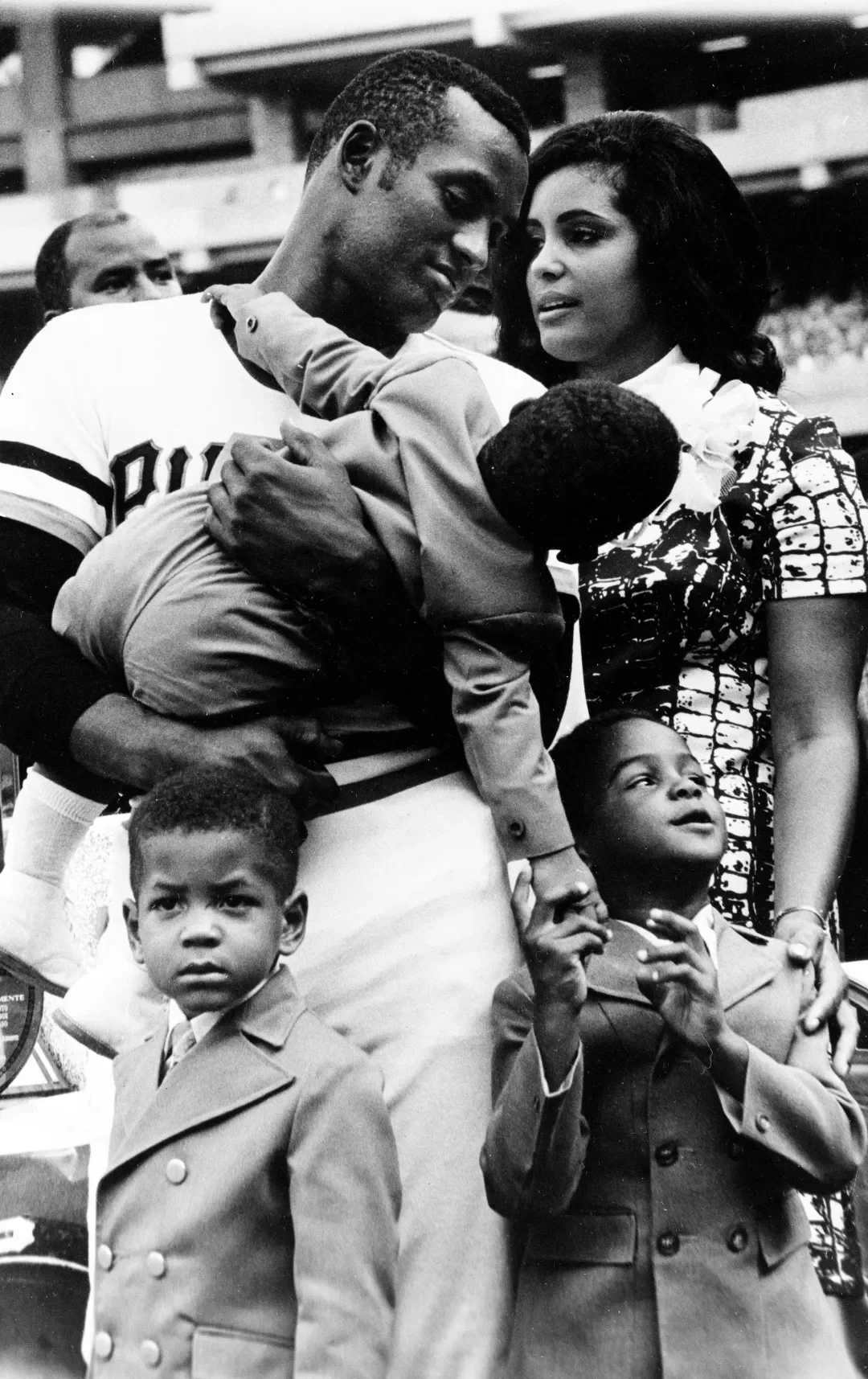
Roberto Clemente was more than a legend on the field. When the 1972 earthquake devastated Managua, he refused to look away — rallying aid and insisting on flying with the relief plane himself to make sure supplies reached the people who needed them. The crash that took his life still echoes through Nicaraguan memory. The grief grounded in love is palpable. Courage paid in full.
Sandino International Airport’s predawn orange and granite streaked sky opens onto a capital that never regained its center. Fault lines run through the city and through its history — scarring streets still unreclaimed, decades of upheaval and unfinished recovery written into the pavement.
A few hours south lies San Juan del Sur. Spanish explorers entered this bay in 1522 hunting a passage between oceans. Today it's a backpacker town built for the swell — loud, inexpensive, and pointed at the waves.
The Christ of Mercy statue arrives through the car window in the approach: white against a green hillside, one open palm over the blue Pacific. In the half-sleep of a long road, the gesture reads like absolution to rest.
Mark Twain arrived here in 1866, restless and outsized, writing that the "bright green hills never looked so welcome." Over 150 years later it's still that. Nestled in a green, forested hillside, Dreamsea: bamboo jungle huts on stilts and stone paths that crunch underfoot. No resort polish — just fans stirring warm air and howler monkeys calling from the tree line.
The Rhythm of the Coast
Welcome for sleep deprived guests is a passionfruit smoothie — fresh maracuyá, sweet and electric. Then a nap to the pulse of cicadas; awakening to a Christmas Eve feast against a copper sunset that has no interest in being hurried.
When the light goes, the jungle reveals a sky so black it feels like velvet. Against it, the stars are crystalline and close. The Milky Way sweeps across the canopy in one dense, unbroken arc: sugar scattered across ink.
Nicaragua's geography is singular: inland lakes pull Caribbean air west, creating a consistent offshore flow that grooms the waves into something long and readable. For a beginner, the ocean hands you information rather than just force.
The Instructors
Nicaragua's surf instructors are superb athletes who treat surfing as serious, demanding work — a mix of dedicated family men and committed young adults who bring high mental stamina, elite swimming strength, and sharp ocean knowledge honed by unpredictable conditions. They are fully prepared to handle emergencies and rescue students. Their training is focused, professional, and delivered with generosity and precision.
Christmas Morning, Playa Hermosa
Dark mountain ridges rising behind bright waves. A rust-spotted Toyota pickup bounces along steep dirt roads above the Pacific, surfboards stacked above the rails. On wooden bench seats, roadside fruit and corn flour cookies pass across without words — a bond still forming. Some rush into the surf whooping; others step in careful, hearts running, faces set. Fish grilled in beach shacks. Cold Coca-Cola that stings the nose. Bottles of Toña sweating in the sun. The ritual assembles itself.
A shared plate of fish — skin blistered, flesh flaking white with lime and salt — offered to a staffer living on a shoestring. The internal tug of pride visible in his shoulders. A plate slid closer. A nod. Brief eye contact. Appreciation given and received without obligation.
That exchange carries more weight now than it did then.
What the Waves Teach
Surfing is grueling and anxiety is normal. The bonds form in incidental moments: side by side on yoga mats, crowding around a laptop for video review, communal meals at long tables, boosting one another through every pop-up and every hard wipeout.
Paddle, paddle! — the instruction issued again and again. Obeyed. Falls taken hard. Bodies lifted and heaved back up until arms hung shredded, every tendon feeling loose and smoldering.
On the final day, a few beginners caught those soft, forgiving waves and felt it — a surge of pure exhilaration that has no adequate description. Strangers arrived. People with names and histories left.
At 66, you stand on a wave that crossed an ocean to get to you, and the only thing in the world is the board under your feet and the speed. Not age. Not the week behind you or the one coming. The body that carried you here simply performs. The Nicaraguan instructors who put you on that wave grew up reading an ocean that doesn't negotiate. They handed that knowledge across without ceremony. You caught it.
If you are a woman who has long owned her own narrative, who feels the pull of wild surf and places shaped by revolutionary history and steadfast hospitality — this coast has its own kind of answer for you. The political reality is real. So is everything else.
The Nicaraguan people did not choose their government. They are building lives inside a situation they did not design. Travel there is not possible right now. Holding their story with care and honesty is.
Pack light. Step bold. Feel deeply.
Let the waves show you what's still possible. 🌊
⚠️ I no longer recommend travel to Nicaragua.
This post describes a trip taken in 2023. On July 19, 2026, Daniel Ortega
announced that Nicaragua will hold no further elections. My position moved
from "know the risk" to "don't go." Where I stand now, and why → https://www.stepbold.co/nicaragua-travel-status
Last reviewed: July 30, 2026
Courage Paid in Full
Roberto Clemente was more than a legend on the field. When the 1972 earthquake devastated Managua, he refused to look away — rallying aid and insisting on flying with the relief plane himself to make sure supplies reached the people who needed them. The crash that took his life still echoes through Nicaraguan memory. The grief grounded in love is palpable. Courage paid in full. AP Photo / Jack Kanthal
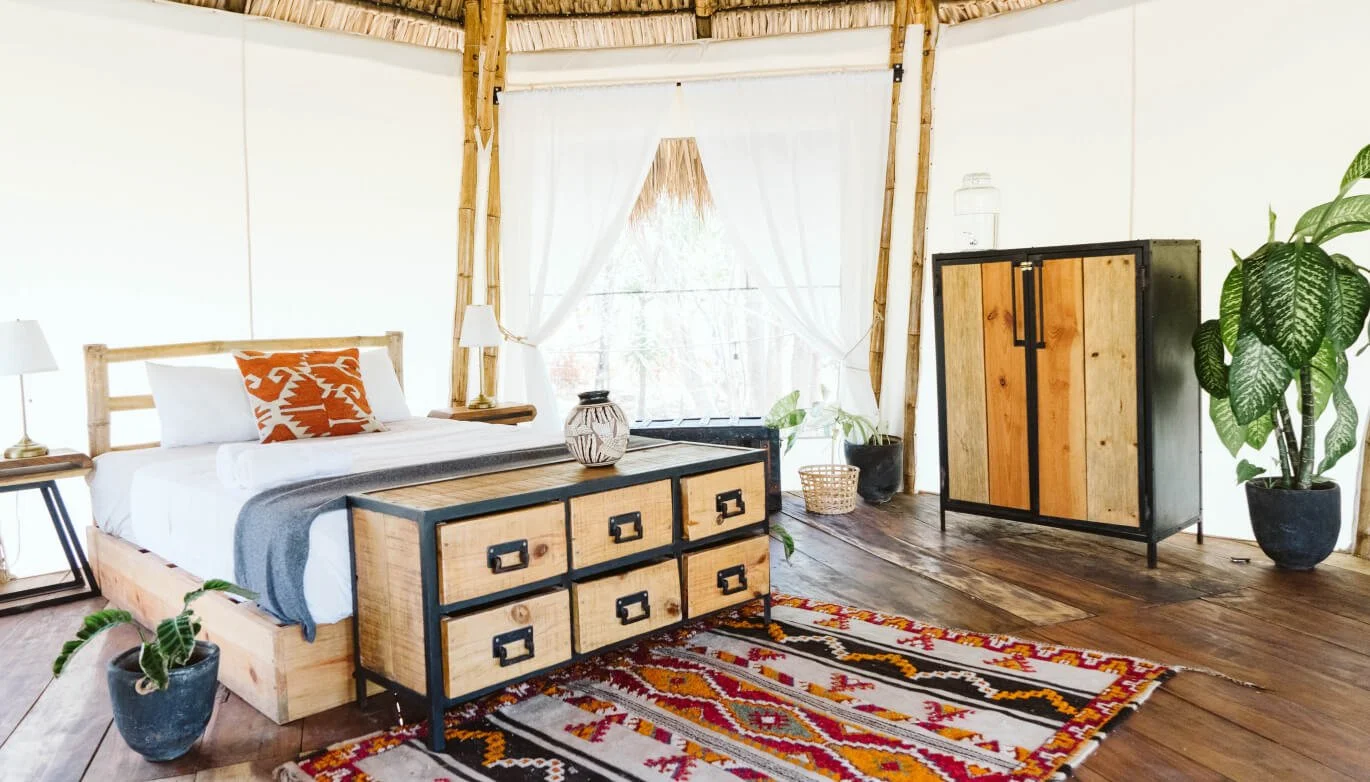
A cozy canvas cocoon tucked into the jungle hills of Nicaragua. Solo female travel: safe, light filled, and deeply restorative.
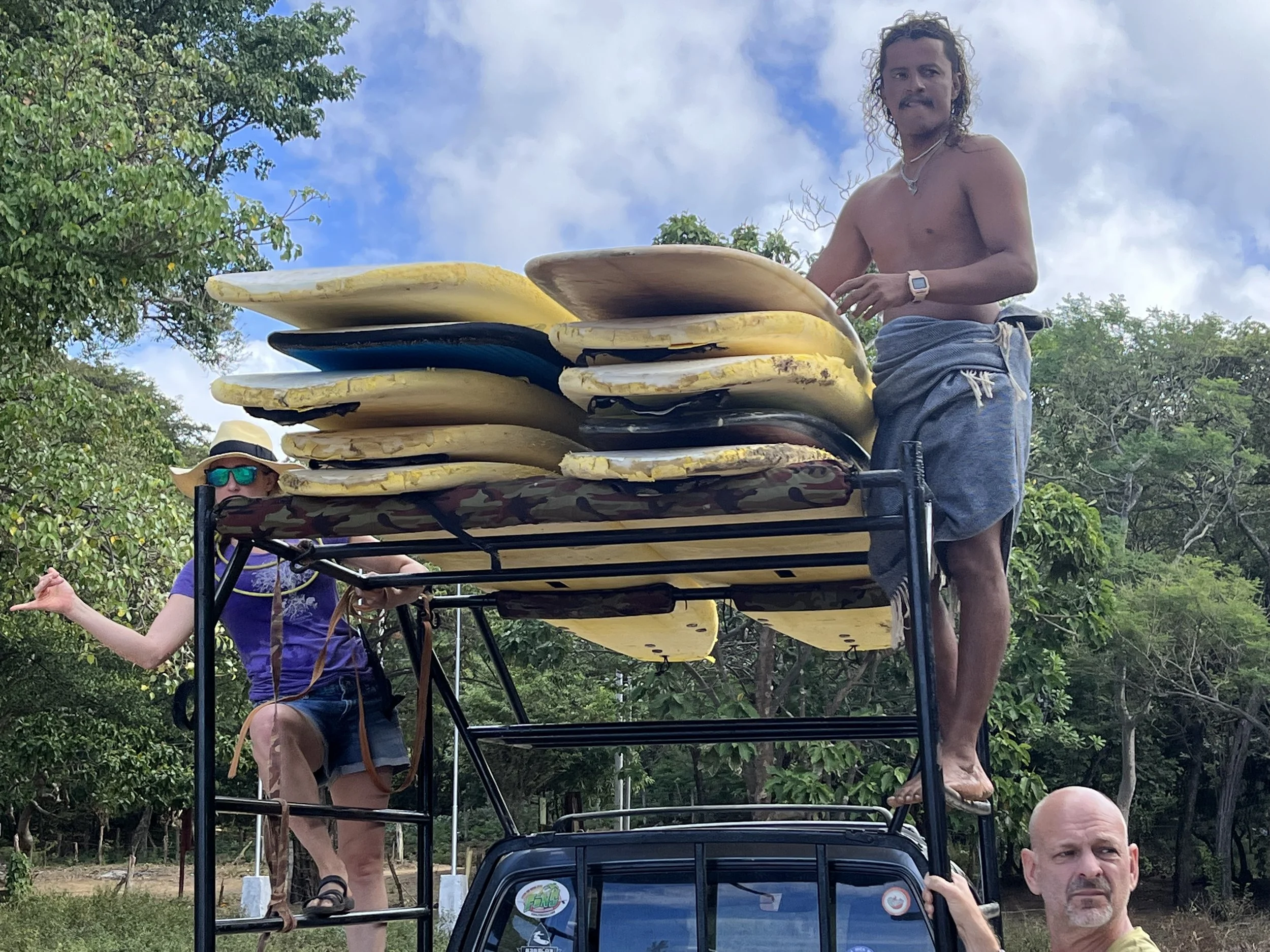
Beach unload. Claiming boards and stepping into the water — the ocean cutting through the pre-session nerves.
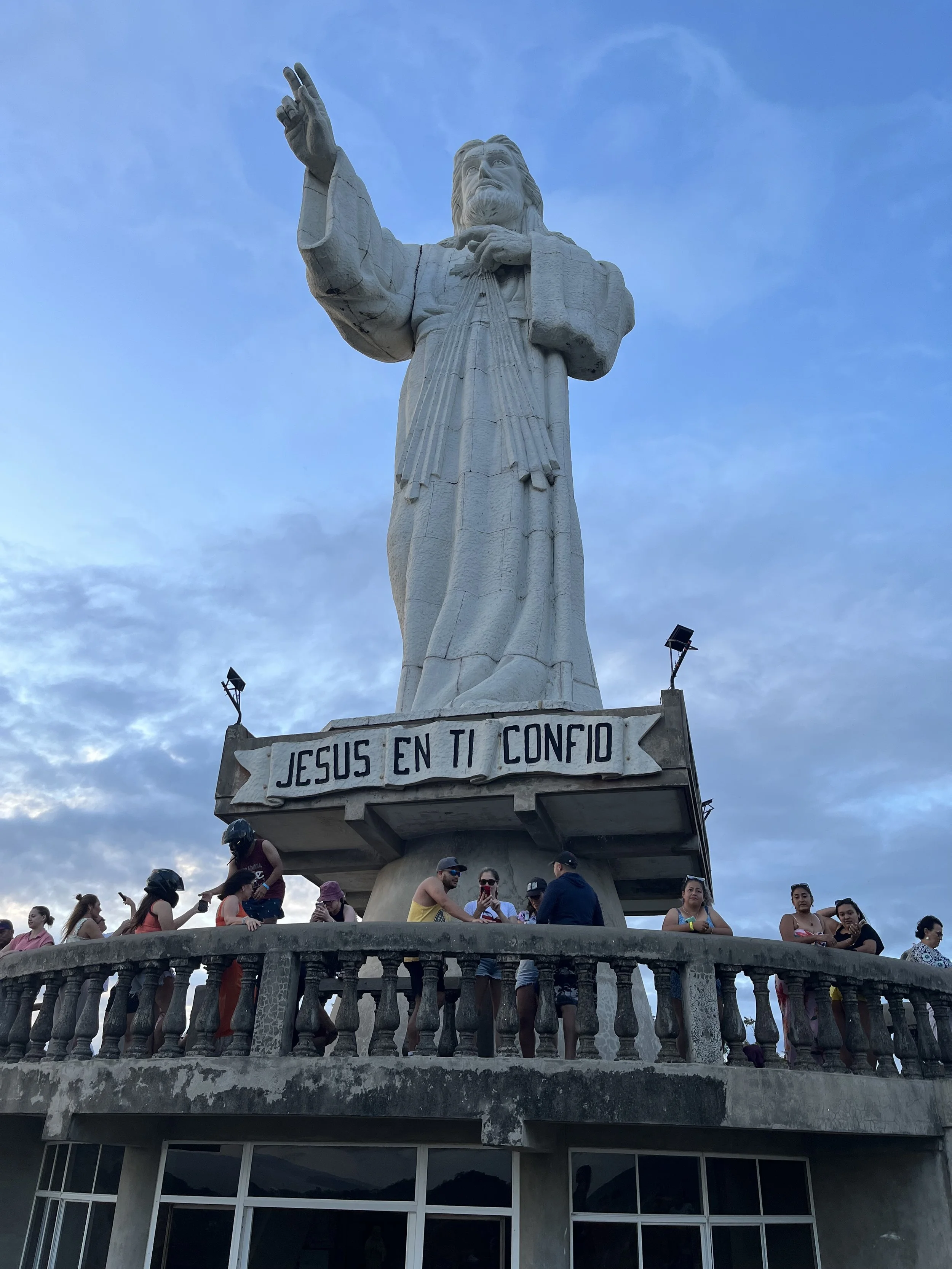
Cristo de La Misericordia: Steep, calf-burning climb up paved roads, heart pounding and sweat pouring in the tropical heat. Then nearly 100 final steps. At the top: refreshing Pacific breeze and a peaceful aura — even with the social, selfie-taking crowd below.