
Matagalpa and San Ramón: A Solo Traveler’s Guide to the Heart of Nicaragua’s North
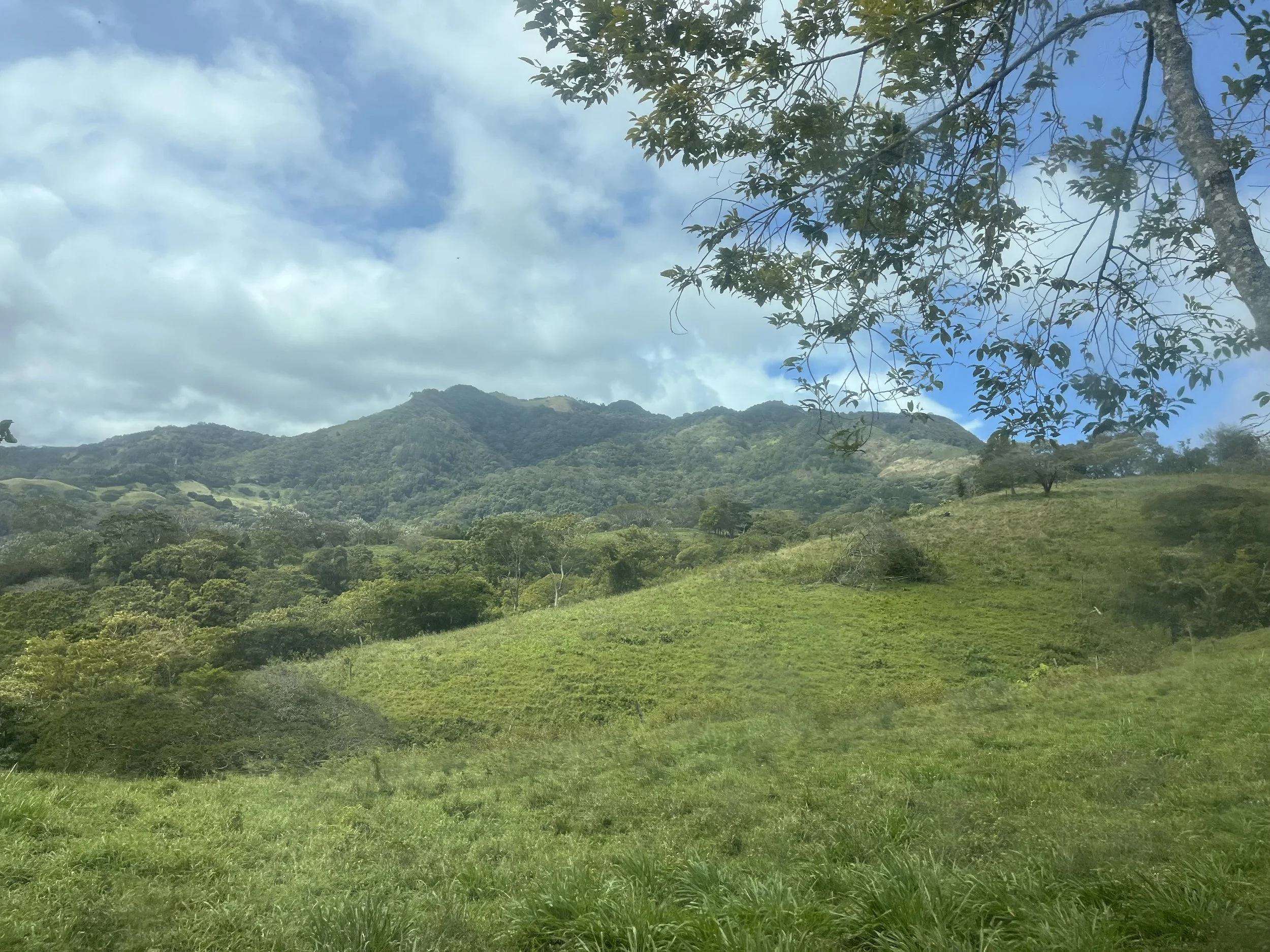
Look closely at this quiet hillside. It’s more than a peaceful coffee plantation. These northern highlands were a fierce cradle of rebellion—a landscape that has spent decades swallowing dictatorships and sheltering dissidents. This canopy holds stories as vigorous as the coffee it produces.
Climbing into the Highlands
⚠️ I no longer recommend travel to Nicaragua.
This post describes a trip taken in 2023. On July 19, 2026, Daniel Ortega
announced that Nicaragua will hold no further elections. My position moved
from "know the risk" to "don't go." Where I stand now, and why → https://www.stepbold.co/nicaragua-travel-status
Last reviewed: July 30, 2026The chicken bus hugs Lake Nicaragua's east shore — pale-green water stretching toward deep, tropical forests and dusky mountains. From sea level the road veers away from the lake shore, and sweeps up hillside curves along lush, bottle-green fields of tobacco leaves, coffee plants, and cattle-speckled high pastures that extend to the Honduran border and east to the interior jungles.
A Landscape That Remembers
The inaccessible north has been coffee and tobacco country for centuries and a cradle of rebellion for even longer. An estimated fifty thousand Nicaraguans died overthrowing the brutal Somoza dictatorship's half-century regime. The bus passes remnants of factories and farms destroyed by Somoza's air force, through small towns where teenagers — muchachos — armed with no more than pistols and homemade explosives stood their ground. The blurred footage of young Nicaraguans wielding assault rifles in these mountains that went around the world is from here. This is where the rebellion took control of Estelí and Matagalpa on its way toward Managua.
Riding through a landscape that swallowed an entire generation of young people whole,you feel the weight of memory everywhere. The mountains are beautiful. They do not let you forget.
A Different Country Entirely
Nestled in Nicaragua's northern highlands, Matagalpa surprises — cool air, mountain lakes, and cloud-draped forests that feel like a different country entirely from the Pacific coast. Pristine rivers and lush green forests enclose the city and soften its decaying urban topography.
Life in San Ramón
The base of adventure here is San Ramón, a six-mile cab ride from Matagalpa. There are no luxury hotels near Matagalpa. There are no large hostels that cater to drinking-enhanced socializing. The draw of the northern interior is quieter: staying with local hosts, walking mountain roads, and settling into the rhythms of daily life.
Staying in a light-filled, impeccably maintained home, the rhythms of Nicaraguan life quickly come into focus. The food has a hearty simplicity: local protein, fried plantains, and the ubiquitous gallo pinto. Beans, rice, and corn anchor nearly every meal, arriving fresh and unhurried. My hostess runs a precise yet generous household—the kind of rare find that takes you in without fanfare and looks after you completely. While the city of León will eventually offer a more varied food scene, here, the beauty is in the care.
Gilded Husks Along the Byroads
Rambling the northern interior's byroads, I move through the afterimage of a country that once believed deeply in permanence. Dirt roads wind through coffee fields and mist-covered hills, pressed into the mountains by generations of boots, horses, ox carts, and battered pickups.
The air smells of wet earth, woodsmoke, coffee pulp, and rain-soaked grass. Clouds drift low enough to touch. Some mornings the mountains close in so tightly that the world narrows to one muddy path and the sound of water dripping from banana leaves.
And then the estates appear.
Old homes sit half-hidden in the hills: cracked staircases, rusted iron balconies, courtyards overtaken by weeds. Before 1979, many belonged to the Somoza family, National Guard officers, or wealthy supporters of the regime. Some became cooperatives after the revolution; others were simply abandoned to time. Grandeur in the face of unresolved social concerns: Mark Twain coined the phrase "Gilded Age" for exactly this kind of landscape, in his 1873 novel of the same name.
The mountains reclaim them patiently. Moss climbs the walls. Orchids grow from gutters. Mango trees planted decades ago still bear fruit beside sagging roofs and shattered windows.
What lingers is the contrast between the fertility of the land and the fragility of the ambitions once built upon it. The estates projected certainty and status; now they feel temporary against the scale of the mountains. History here does not feel finished. It feels damp, quiet, and unresolved.
Sunday Morning, Parroquia de San Ramón
The church is modest—faded statues, an intimate nave, flowers crowded into recycled glass jars—yet something alive moves through it. Babies fuss and get hushed. Boots scrape the worn tile floor. Motorcycles rattle past outside during the prayers.
As a guest from the US, I was struck by the singing of my Nicaraguan hosts. Their voices rose strong and unembarrassed, full-throated and unpolished, carrying both joy and weight. The Liturgical responses came readily, instinctively. In that small, white washed space, faith was not performed. It simply belonged there.
Even without understanding every word, I recognized the ancient shape of the Liturgy and found myself inside it. Around us, invisible but present, stood the green mountains, the coffee fields, the abandoned estates, and the long shadow of the country’s hard history. No one denied the brokenness. No one turned it into theater. It was simply carried—together—in the same hands that lifted the hymns and received Communion.
The Highlands Still Call—Just Not Here
The northern interior of Nicaragua still holds an untamed beauty—little built for tourists, and that remains part of its pull.
Yet I can no longer recommend travel there. The Ortega-Murillo regime has cancelled future elections, locking in authoritarian rule with no path to democratic change. The political situation is deteriorating, and conditions can shift rapidly. While my own time in the region was deeply meaningful, the confidence I once had in suggesting it has faded.
Women over 60 don't ask for permission to explore—and we certainly don't let changing political tides keep us at home.
When one route closes, we simply map a better one. Leave the standard itinerary behind and step into the misty cloud forests of Panama and Costa Rica—highlands I’ve walked alone, where the air is cool, the welcome is deeply authentic, and the wonder still feels untamed.
Walk beneath ancient giant ferns, sip coffee rich with volcanic soil, and find quiet trails far from any crowd. The highlands are waiting. Come—there is a place for you.
Pack light. Step boldly. Feel deeply. 🌿