
New Orleans French Quarter for Solo Women Over 60: Walking, Eating, and Actually Getting Some Sleep
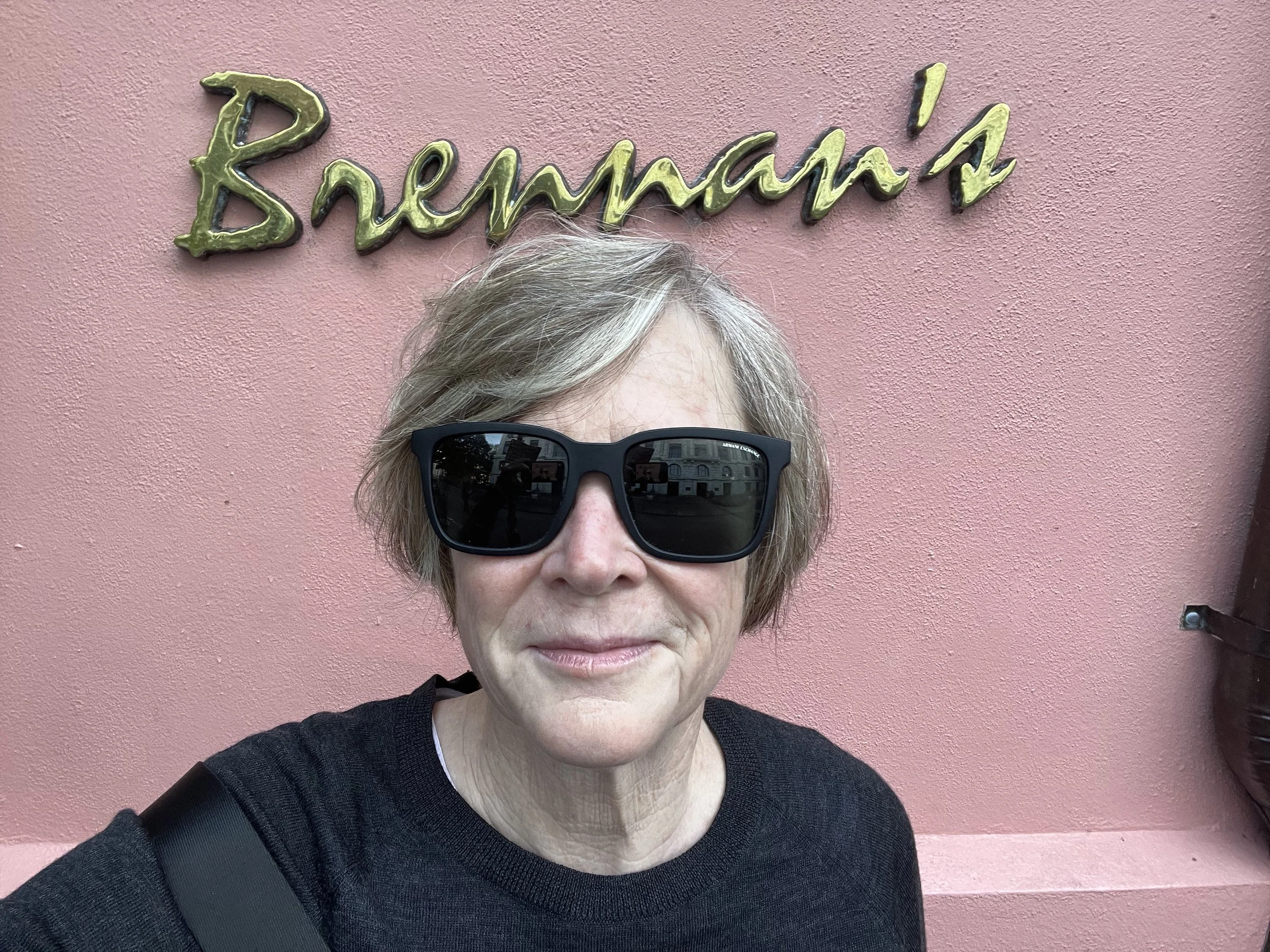
Slip out early. The streets pull you from one block to the next — and somewhere around mile four you realize you have no interest in stopping.
At dawn, the French Quarter hands you the keys. Last night's noise has burned itself out and the streets belong to early risers now. The air is mild, humidity present but not yet oppressive, a soft breeze carrying the river, coffee, jasmine, and the faint citrus of fresh-scrubbed pavement. The city resets at this hour—and so do you. Best of all: it's completely flat. Zero hills lying in wait after five miles on foot.
St. Louis Cathedral
New Orleans wears its Catholicism openly—threaded through the city's calendar, its architecture, its sense of occasion. The Good Friday Nine Churches walk. The Mardi Gras season rooted in the liturgical year. Mass at St. Louis Cathedral is not a tourist attraction dressed up as faith. It's the real thing, and you feel the difference the moment you step through the doors.
Continuously active since 1727, the cathedral holds centuries of the city in its walls—French and Spanish colonial history, African and Creole influences, yellow fever, wars, hurricanes, ordinary Tuesdays. The stained glass glows, the painted ceilings soar, and the liturgy moves at a deliberate pace. Around me, women of every age settled into the pews. The ones nearest me nodded, made eye contact, rested a hand lightly on my arm. The small, wordless courtesies of shared space.
Clover Grill
Cross the street and push through the door of the Clover Grill—a classic diner the size of a large living room, chrome counter stools, checkered floors, and the immediate smell of bacon grease and strong coffee. The transition from solemn to exuberant takes about forty-five seconds. New Orleans doesn't apologize for that.
Take the first counter seat. You walk in on your own and every greeting and goodbye passes through your station. Eggs flip. Hash browns crisp. The room fills: post-Mass crowd, night-shift workers clocking out, locals on their second cup, one bead-draped Bourbon Street holdout who clearly never went home.
Two young women at the entrance ran the room with practiced efficiency—scanning for open stools, directing guests with a gesture, keeping things moving without fuss. The man behind the counter worked without a notepad, greeted every takeout regular by name, slid plates across the counter calling you "shug" in a drawl that sounded exactly like him. When I left a good tip he met my eyes, gave a single nod, and was already turning to the next order. Understated, competent, perfectly tuned to a small space running at full speed.
Eggs over easy, grits, pecan-cured bacon, buttered toast. Genuinely excellent—not diner-as-consolation-prize, but excellent on its own terms at prices that made the whole thing feel unreasonably generous.
Jackson Square
Still early enough that artists and musicians are just setting up easels and instrument cases along the fence. Bookmark it. Loop back when the Square is fully alive.
Café Du Monde
Café Du Monde has been famous long enough to coast. What a pleasure that it hasn't. The green-and-white striped awnings, marble-topped tables, ceiling fans overhead, waitstaff in white shirts, paper hats, and black bow ties—none of it feels like a theme. It's a place that simply never saw a reason to change. My waitress called me "hon" and accommodated me like a guest in her own home, without effort. The chicory coffee arrived bitter and black, robustly earthy, served on a tray beside beignets buried under an avalanche of powdered sugar. Off to the side, a brass band worked the corner, making eye contact with the crowd, acknowledging every cash tip like you all go way back. Here is the pulse of the French Quarter—history, music, humidity, and food—in the same French Market building for over 210 years.
Royal Street and Pirates Alley
Galleries stacked with serious art. Antique shops spilling onto the sidewalk. Street performers turning every corner into a stage. The architecture—wrought iron, interior courtyards, centuries of accumulated beauty—could occupy a full morning.
Bourbon Street in daylight is a different world: walkable, subdued, nearly yours alone without the nighttime crowds. Too early to shop, ideal for photographs and mental notes on what deserves a return visit.
I'm not tempted by the storefronts, but I can't stop imagining where I'd have hidden in those dark passageways, eavesdropping as Jean Lafitte and his crew smuggled silks and jewels through the Quarter's tenebrous underground network.
Legend holds that Andrew Jackson and Jean Lafitte met at the Old Absinthe House to plot the defense against the British in 1815. No solid evidence—but I still press my face to the windows. Jackson, the fierce frontier general nicknamed "Old Hickory" for his unyielding toughness. Lafitte, the calculating privateer who commanded the Gulf's shadowy world of smuggling and letters of marque. One embodied raw democratic grit and military discipline. The other, charismatic outlaw daring.
French Market and the National WWII Museum
The French Market and riverfront draw crowds for good reason. The Jackson Brewery conversion to chain retail is what it is—keep walking. Head straight for the National WWII Museum, which is genuinely worth your time.
The main experience centers on a Tom Hanks–narrated film. Well produced, but if you've seen Saving Private Ryan, you'll recognize the aesthetic. Budget real time for the exhibit halls themselves.
Pêche Seafood Grill
Walking out of the WWII Museum hungry feels like a design feature. Pêche is close, the bar seats are built for dining on your own, and the seafood is precisely what you want after a morning that moves, educates, and overwhelms by the sheer scale of what it documents. It’s a go-to for locals and visitors seeking something better than typical tourist seafood spots. The menu feels deceptively simple but shines in execution, ingredients, and presentation. Sit down. Eat.
Garden District
The Garden District rewards a brisk walk through its 19th-century dreamscape—grand mansions, blindingly white iron-laced balconies, the kind of architecture that makes you keep pushing past the stiffening in your knees and hips telling you to turn back. Bring travel-size sunblock. I forgot, and paid for it.
Hilton Garden Inn New Orleans French Quarter
Now to the rooftop pool: open, unheated, and in early March it doubles as a free polar plunge. I cannonball in anyway—because "vacation recovery" clearly means turning sore legs into icicles. The cold shock hits like an adrenaline espresso shot: circulation revved, soreness gone, suddenly wide awake with zero nap urge before dinner.
The water is roughly the temperature of the Mississippi. And do not let anyone tell you that women over 60 are invisible—especially when the shivering kicks in. Highly recommended.
A Note on New Orleans Dining
The generation that came of age in the seventies and eighties reshaped American dining—pushing back against their parents' formality, gravitating toward bold, relaxed settings where the food was serious and the chef was the star. Think K-Paul's Louisiana Kitchen under Paul Prudhomme, or Emeril Lagasse's early years helming one of the city's legendary kitchens. In New Orleans, this impulse aligned perfectly with a deep tradition of chef-driven, independently owned restaurants that never needed a corporate chain to define them.
Many of us now feel the pull back toward the preserved elegance of those classic establishments. Galatoire's, Brennan's, Commander's Palace—they carry something genuinely moving. A living link to another era.
Galatoire's
Push open the door on Bourbon Street—yes, that Bourbon Street—and step into a room that has operated on its own terms since 1905. The street noise stops. The air carries crab au gratin, sizzling butter, the faint mineral note of turtle soup. The dining room stretches back into mirrors and chandelier light, mosaic floors in black and white, tall windows softened by ivory lace panels. Deep green wallpaper, linen tablecloths, bentwood chairs, ceiling fans turning overhead. White-jacketed waiters—many in tuxedos—move through the room with the ease of people who know exactly where everything belongs. Jackets still required for gentlemen. No one looks inconvenienced by this.
I was among the younger diners that evening, which says everything about Galatoire's clientele. This is a room full of long relationships, not one-off reservations. Couples in their eighties at a four-top—women in brocade catching the chandelier light, men in navy blazers leaning in mid-story, signaling their waiter with a subtle nod rather than a wave. They know the menu by heart. They know the pace. Milestones and enduring friendships are marked here with the same bottle they've ordered for years.
A pair of lifelong friends—dressed in sleek dresses with good jewelry—shared crab ravigote in a corner and stories that spanned decades. Any woman over sixty would feel the same pull sitting there: surrounded by people dressed exactly as our parents once were—neat, polished, fully respectful of the occasion. In this room, the people who look like our parents are not sidelined or quietly tolerated; they are the keepers of the traditions we once so boldly pushed back against. The mirrored walls, the familiar rhythm of service—it's a tender homecoming, where time slows just enough to let memories of special occasions with our own parents settle in alongside the soufflé potatoes.
Go Before the Heat Closes In
New Orleans in early March is a different city than New Orleans in June. Walkable from first light to twilight. You can cover real ground—miles of it—without summer humidity cutting your day in half by ten in the morning.
Serious walkers: this is your place. Miles accumulate effortlessly, fueled by lavish meals and long mornings. Dine early. Slide into crisp high-thread-count sheets. Open your book and let the French Quarter's living literary history carry you. It rewards the early riser, the deliberate explorer, the woman done performing vacation and ready to simply be somewhere genuinely enchanting.
Go now. The season's window stands open.
Are you planning a trip to New Orleans—or have you already been? Drop your best French Quarter discovery in the comments. And if this helped you plan yours, share it with the women in your circle who are ready to go.
“Pack light. Step bold. Feel deeply.”
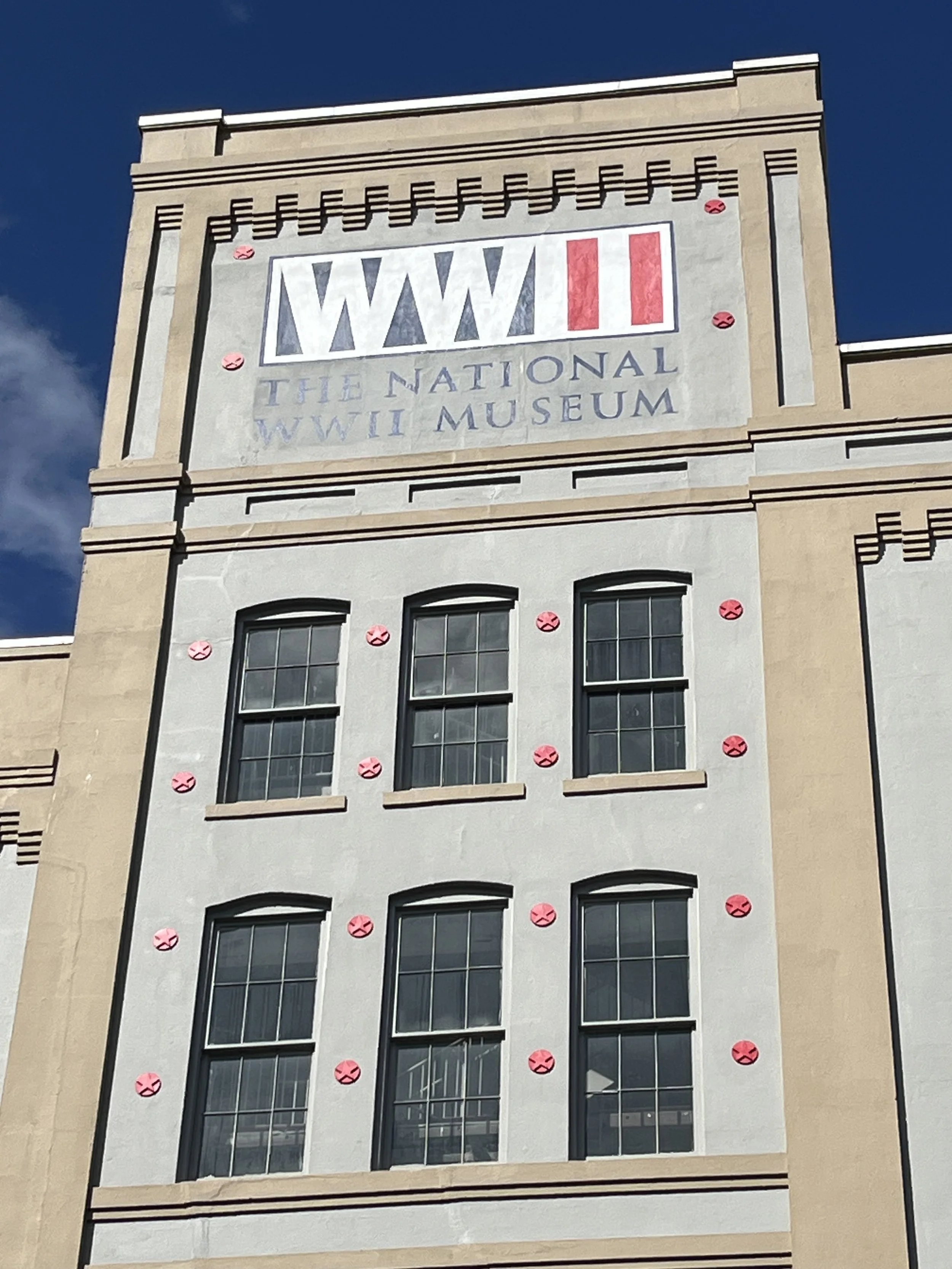
The National WWII Museum overwhelms with its massive physical size, intense emotional weight, and information density.
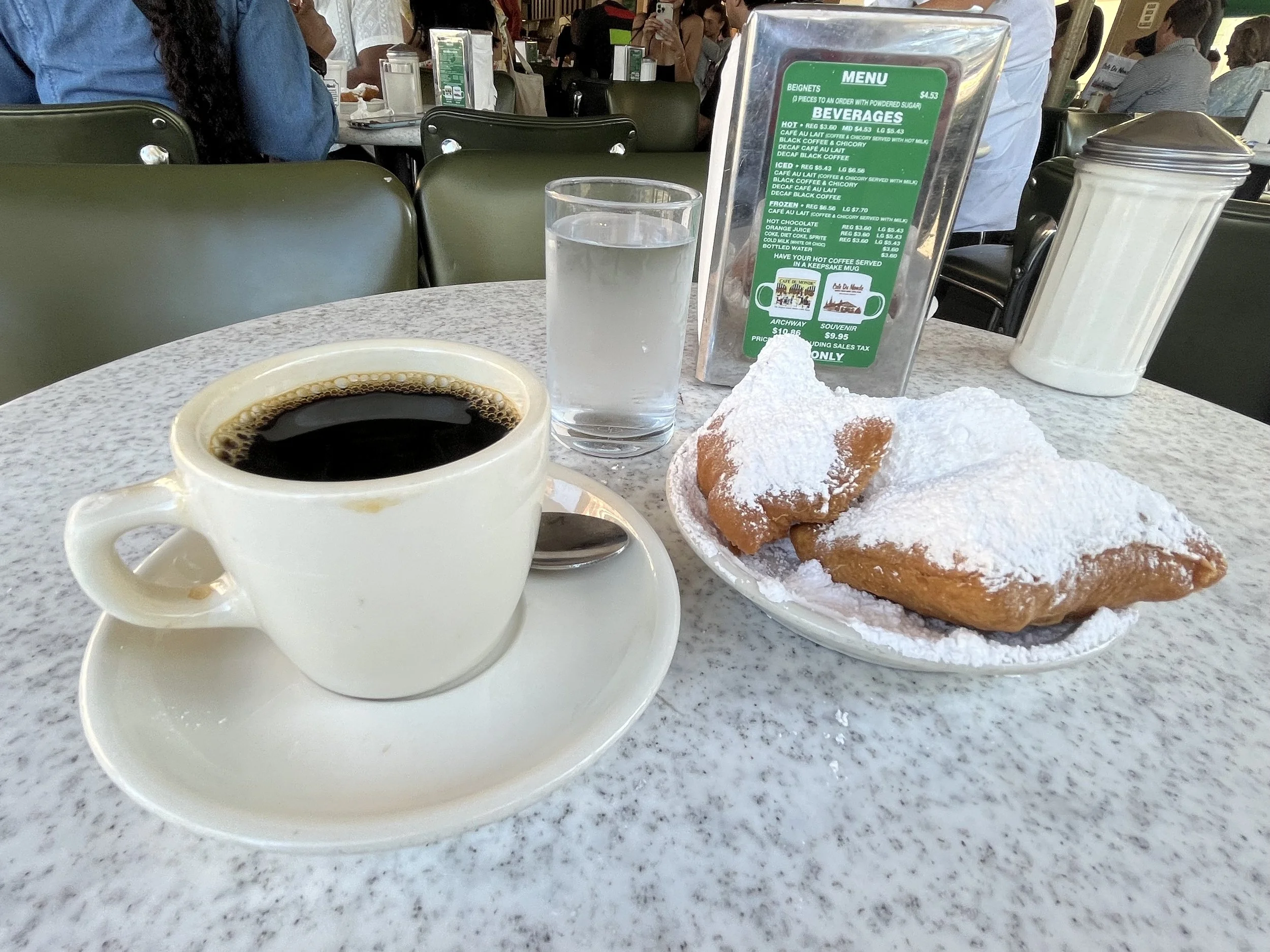
It’s easy to be charmed by Café du Monde—it is a rare, living piece of history that offers a perfectly preserved, multi-sensory New Orleans experience.
At dawn, even the storied Old Absinthe House gets a clean slate. Just me, the quiet streets, and the fresh-scrubbed pavement.
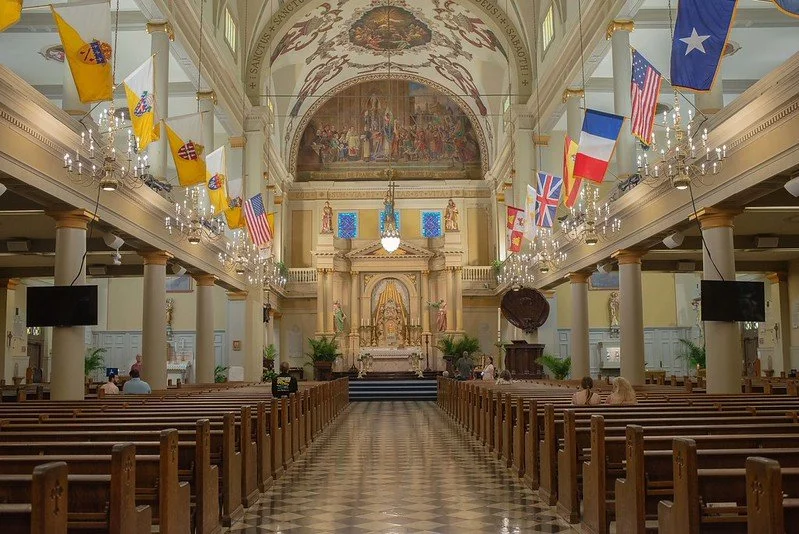
Situated in the bustling heart of the French Quarter, stepping inside St. Louis Cathedral instantly buffers you from the lively street performers, carriages, and crowds of Jackson Square.
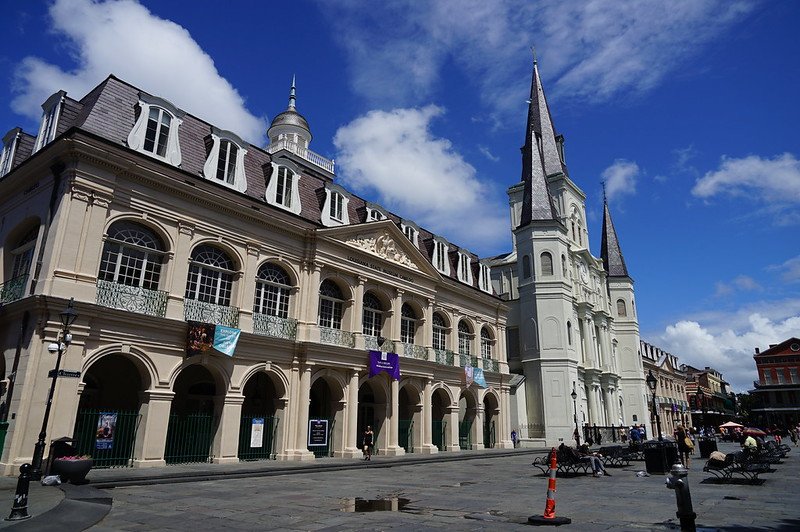
As you cross Jackson Square, the Cathedral's three sharp, white spires tower above the surrounding oaks and historic brick row buildings. The air buzzes with the distant sounds of street jazz, hoofbeats from mule-drawn carriages, and the chatter of tourists and local artists.
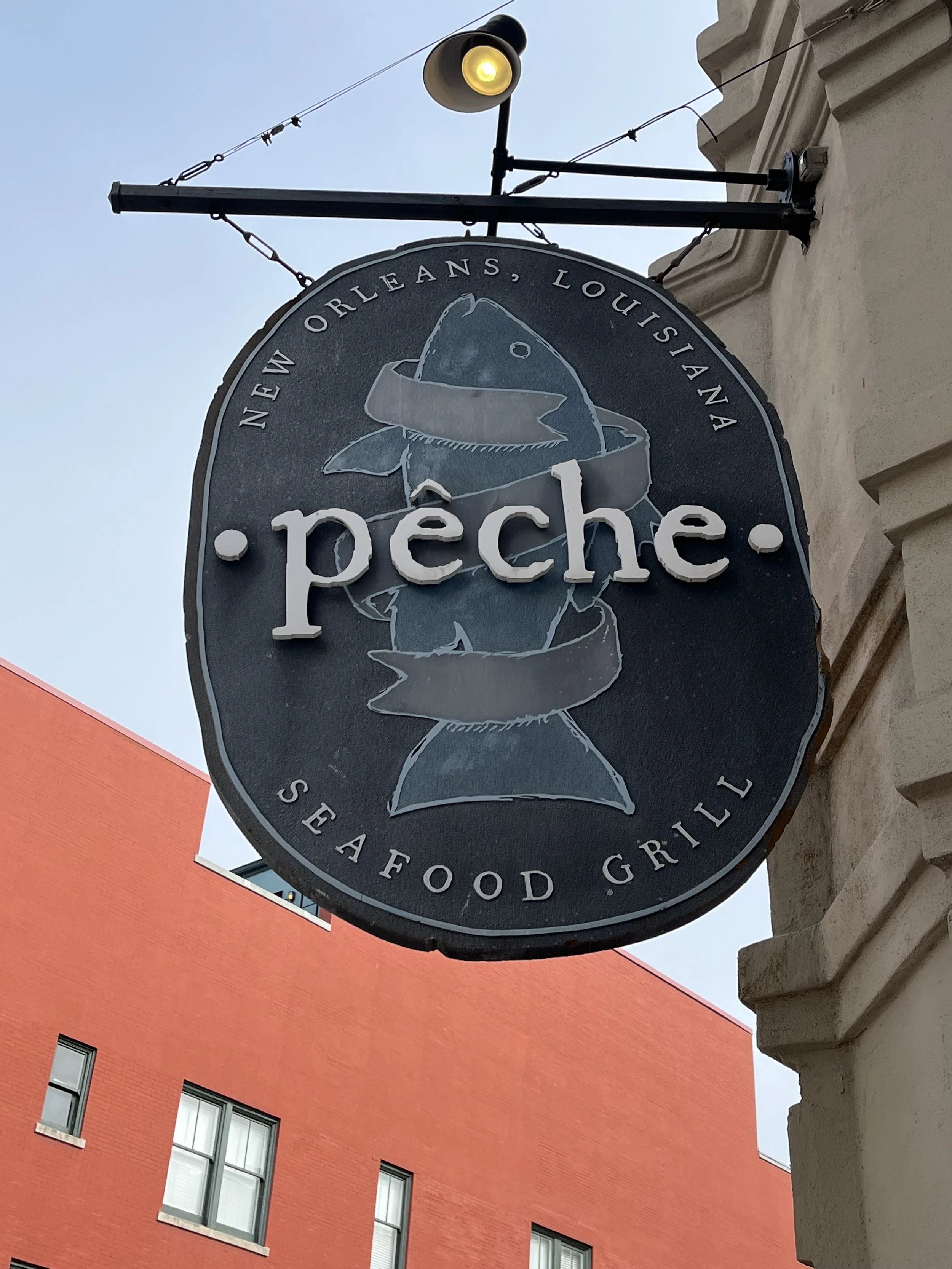
As you push through the glass door at Pêche's, you're immediately hit by a warm, inviting hum. The space is open, rustic, and industrial—buttressed by massive wooden beams and flooded with light from giant street-facing windows.
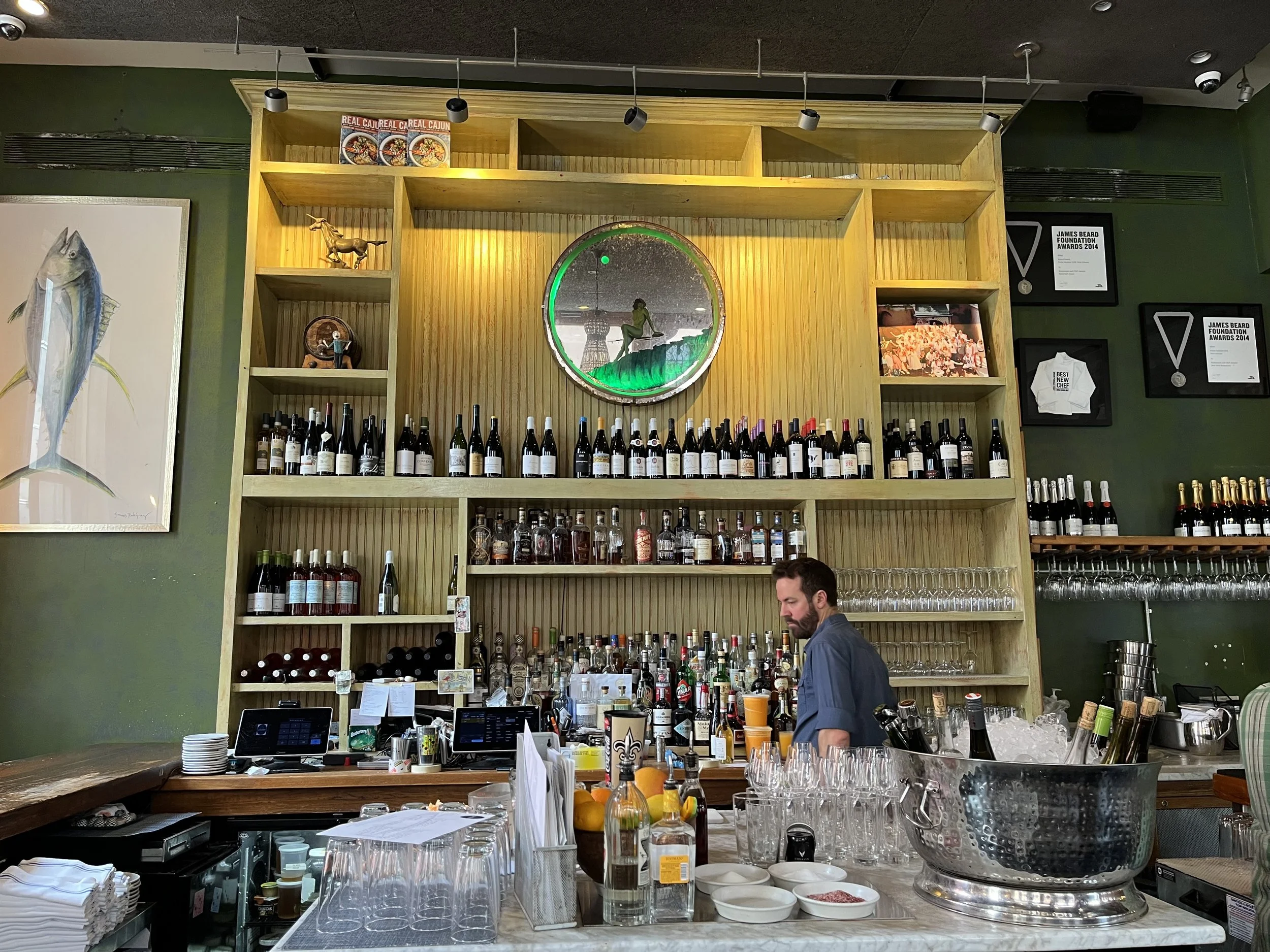
The bartenders are famously welcoming, offering classic Southern hospitality even when the house is jammed. Sitting at Pêche's marble-topped raw bar is a front-row seat to the action. You get the lively, convivial energy of the Warehouse District. The space hums with a mix of locals and travelers, making it feel celebratory yet deeply relaxed.
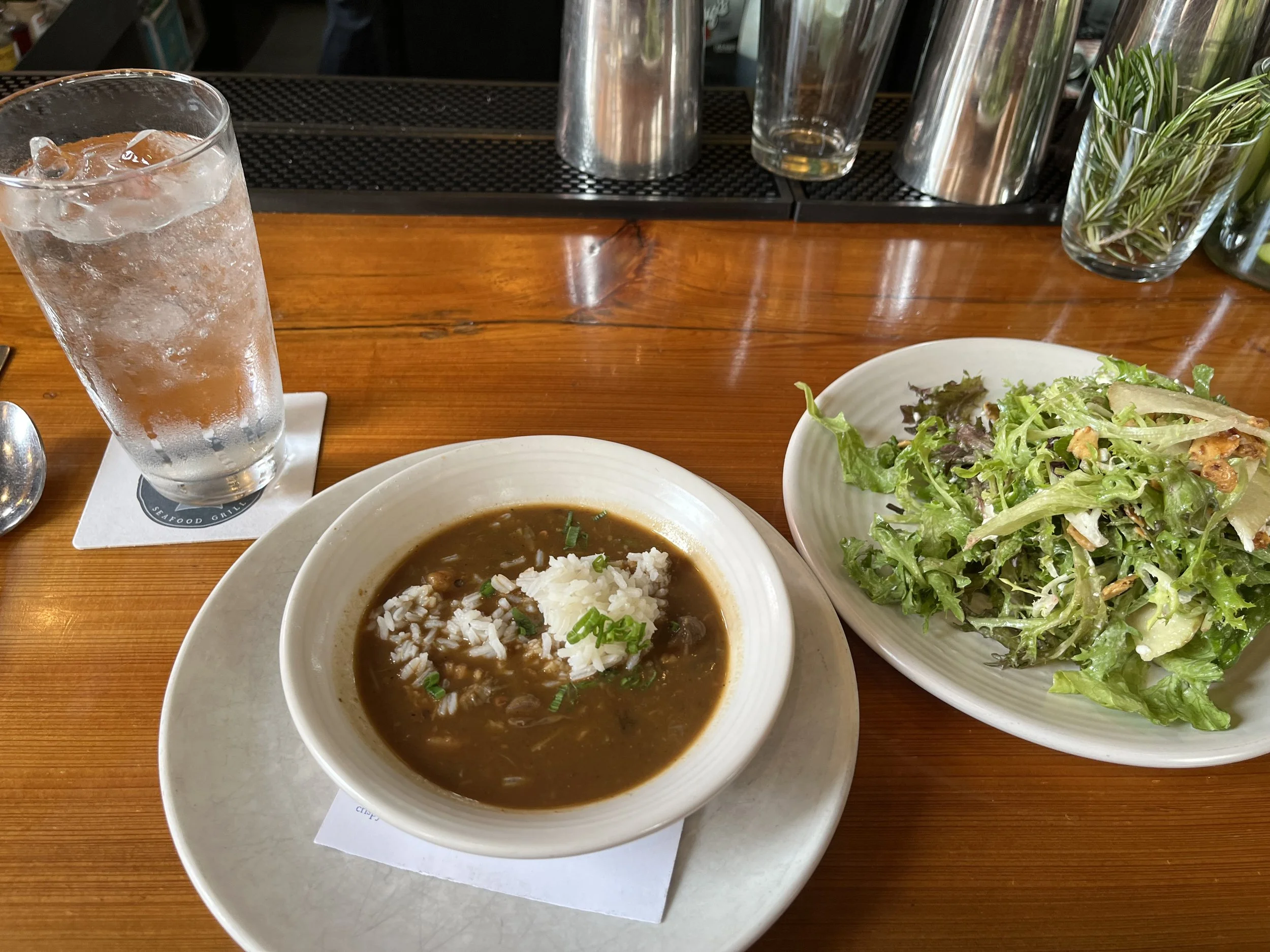
Unlike heavy, flour-laden gumbos, Pêche’s version is lighter in color but delivers deep flavor. Built on a skilled dark roux with ultra-fresh Gulf seafood, it balances rich, savory comfort with a bright, peppery finish. Their crisp, vibrant salads—with subtle cheese and candied walnuts—make the perfect palate cleanser to cut through the earthy roux.