
Surfing After 60: Finding the Ride at Playa Venao, Panama
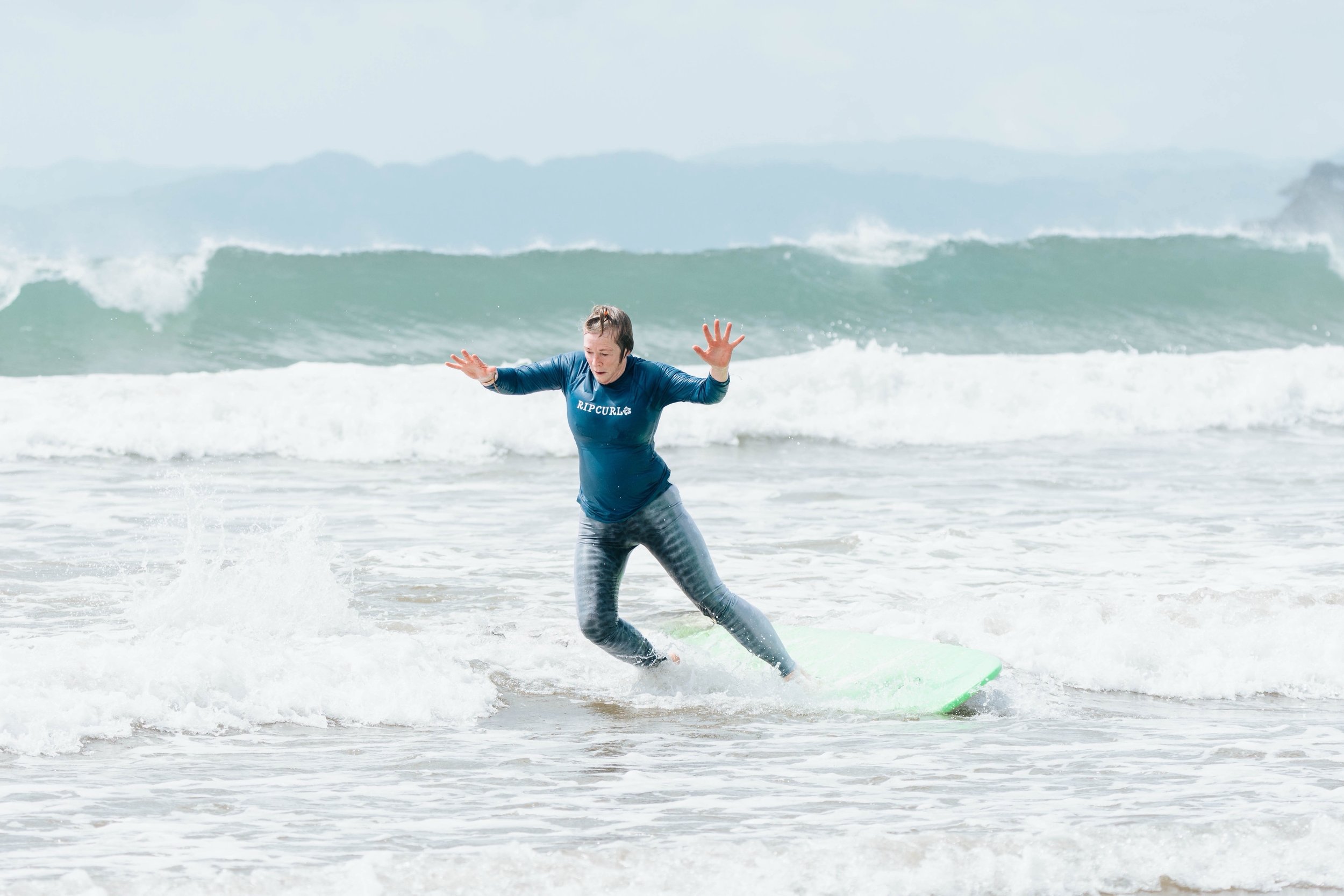
Late 60s: resolute, tenacious, and taking a beating until my instructor calls it. 🌊 Photo by Broken Shoulder Surf
The first time you paddle into whitewater and feel the board accelerate beneath you, nothing about it feels graceful. You're being shoved by the ocean, your seven-foot soft-top refusing to go where you point it. Then — without negotiation — the most powerful force on earth takes you. You fall, and it slams you into the ocean floor in what feels like a fraction of a second.
That is exactly where it starts.
Learning to surf after 60 means accepting that your body will not do what you ask the first time, or the fifth time, and going back out anyway. It is an uncompromising teacher. It demands balance, sharp focus, and a genuine willingness to fall — not once, but as a consistent feature of the process.
Why We Surf: Building the Life That Lets Us Ride the Waves
The surf sessions in Ecuador, Nicaragua, and Panama don't begin on a flight. They're built day by day: steep hill climbs with the bike club on weekday mornings, laps swum despite fatigue, long walks taken when the couch is making a compelling argument. They live in a steady commitment to core strength and stability — not chasing a number on a scale, but arriving at surf camp with something to build on.
Where It Starts — Mompiche, Ecuador
That foundation often starts on the wide, open beaches of Mompiche, Ecuador. You wake to fishermen taking the beach at first light — fathers, sons, and grandfathers casting nets and launching functional wooden boats shaped by real use and countless seasons. Surfers are the guests here, not the other way around. Early sessions are devoted to fundamentals: paddling into whitewater, finding the first exhilarating glide, beginning to understand what the water is doing underneath you.
For most beginners, the pop-up takes an entire first season to nail. The move sounds simple: from flat on the board, you push up and plant both feet in a single fluid motion while the wave is still moving beneath you. In practice it is neither simple nor fluid, and the ocean has no interest in your timeline. Staying on the wave usually comes in season two.
In San Juan del Sur, the waves build slowly and give you time to think — forgiving enough for a beginner to find her footing, consistent enough to build session after session. The local instructors are serious, grounded men — many of them young fathers and family providers. Their patience is genuine: gracious, warm, and steadfast, like the natural hospitality that runs deep in Nicaraguan culture. Many of us had our first real rides here.
Building on It — Beach Break Surf Camp, Playa Venao, Panama
Eager to progress, we head to Beach Break Surf Camp in Playa Venao, Panama — and keep coming back. Seasons three, four, and five have all started here. The long drive from Panama City gives way to salt air and heat that settles on your skin before the ocean comes into view. The camp opens onto a wide, three-kilometer stretch of sand where consistent waves deliver pure exhilaration laced with the low, persistent edge of beginner anxiety. https://www.beachbreaksurfcamp.com/?utm_source=ig&utm_medium=social&utm_content=link_in_bio&fbclid=PAZXh0bgNhZW0CMTEAc3J0YwZhcHBfaWQPOTM2NjE5NzQzMzkyNDU5AAGnf_QQj2HaIG51mAA35SkLn_He5I1xx8ma87_jK7PuRFkPgvWCMQytHHuW8xY_aem_-eW3JyOkTlq-amoC-XiH0A
https://www.instagram.com/beachbreaksurfcamp/
The reason surfers return season after season is surf director Brent Hoffman. He welcomes surfers of every ability and fitness level without ceremony, and his coaching finds you exactly where you are — not where the curriculum expects you to be. What you bring to season three is not what you brought to season one, and Brent sees the difference immediately. Shaky pop-ups turn consistent. Tentative rides build into something you can repeat. This is what season five looks like.
The Foundation Is Built at Home
The real preparation happens before any of this — at home, in the ordinary weeks between trips. Four-mile walks at a pace that means something. Miles logged with the bike club. Pool sessions building the paddling endurance and breath-hold capacity the wash demands. This is surf training. It just happens to look like an ordinary Tuesday.
After 60, health comes before everything else. It extends our good years and keeps us in command as long as possible. The aim is incremental improvement each season. I'm still in that hopeful window — expecting to do better every year — and making the most of it while I can, before it turns to holding the line, then easing back.
This isn't only about riding a wave. It's about building a body and a life that can still take the hard option when it appears. The big adventures are what we train for. The smaller ones — the Tuesday morning ride, the pool session when the couch is making its case, the walk taken in weather that doesn't deserve it — are what build the stamina and mental tenacity that make the big ones possible.
You cannot store courage in a suitcase and unpack it in Nicaragua. You build it at home, in the ordinary weeks between trips.
The Crew That Makes the Adventure Possible
Those people exist. Go find them. The crew who drag you out on hard days, who check in when you go dark, who keep you talking until the coffee goes cold — they are the ones who make the big adventures possible. They keep you strong enough, and brave enough, to board a plane to Panama's wild surf or Costa Rica's jungle trail.
You go alone. You are not traveling unsupported. There is a difference, and it is everything.
Go build that community. The adventures are waiting.
Surfing after 60 — are you in the water, thinking about it, or somewhere in the middle? Drop your season number in the comments. And if this post pushed you one step closer, pass it on to someone who's ready.
“Pack Light. Step bold. Feel deeply.” 🌊
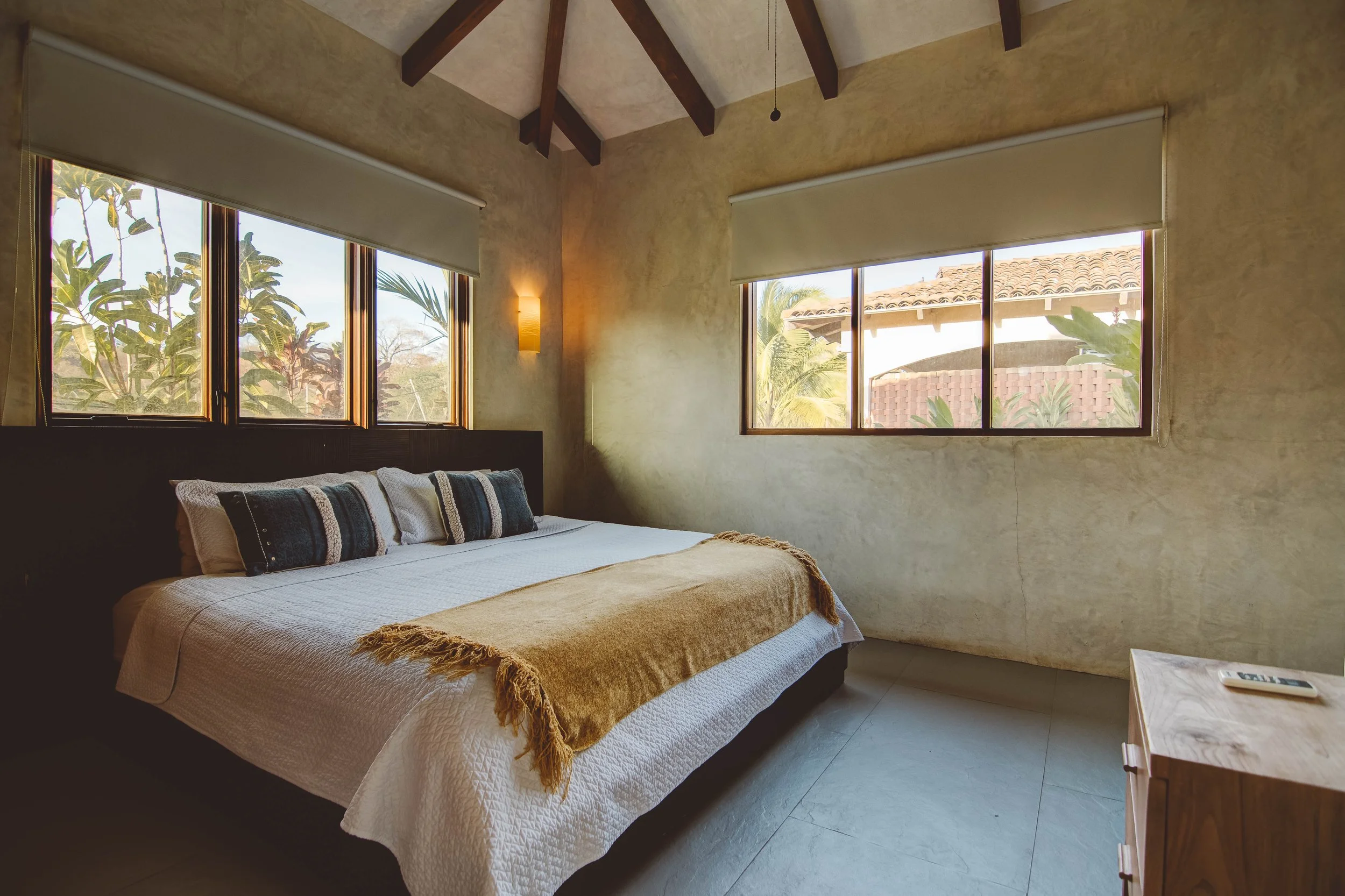
A restful private room at Beach Break Surf Camp, a gentle hug a few steps to the Pacific and the next wave. Photo by Broken Shoulder Surf.
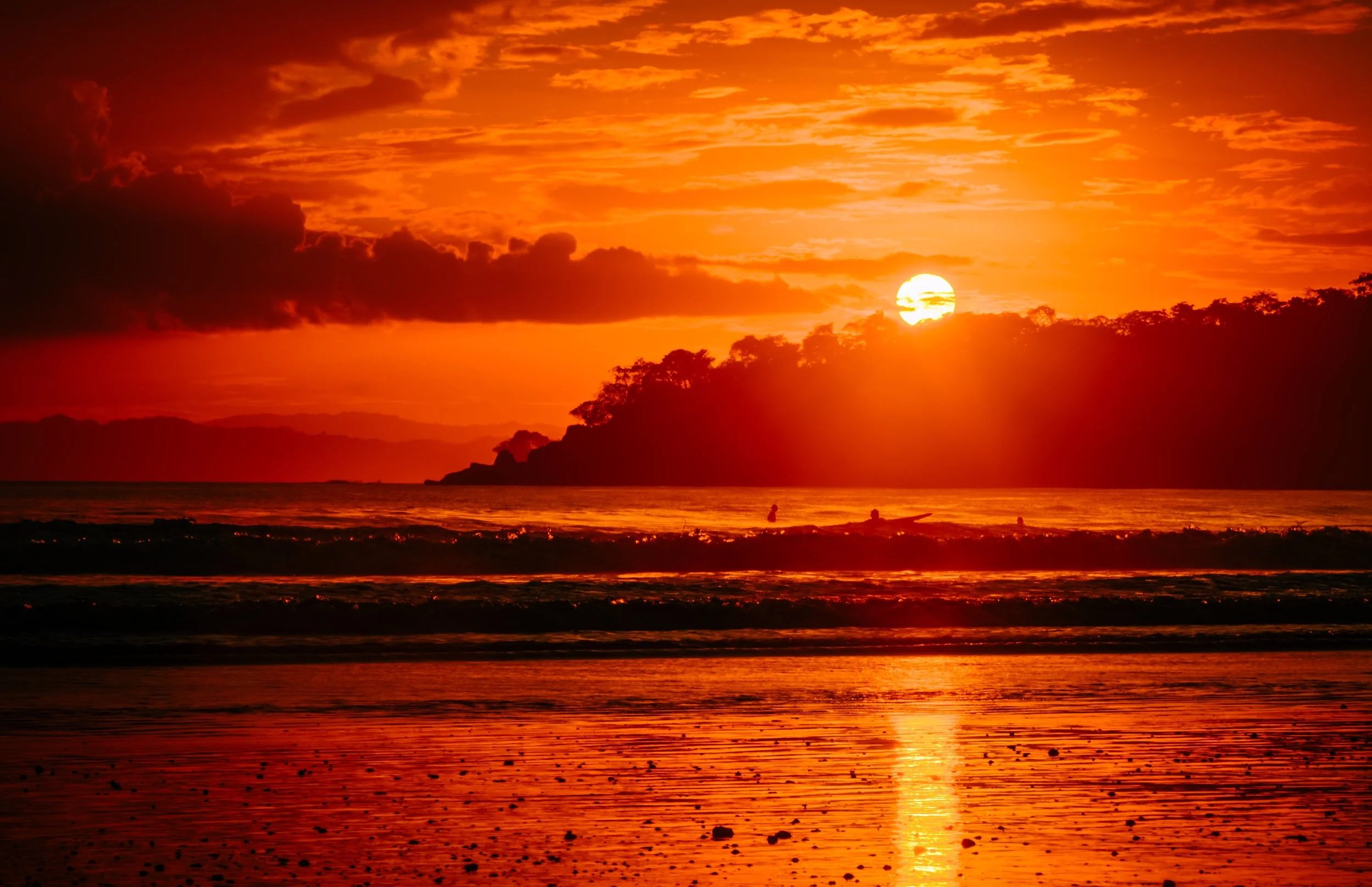
Panama’s wild heart beats strong here—vibrant, tropical, and untamed. Yet, as the sunset unfolds, so does an unexpected sense of seclusion and protection, creating a sanctuary within the wild. Photo by Broken Shoulder Surf.