
Why I’m 69 and Train Like an Athlete (And Why You Should Too)
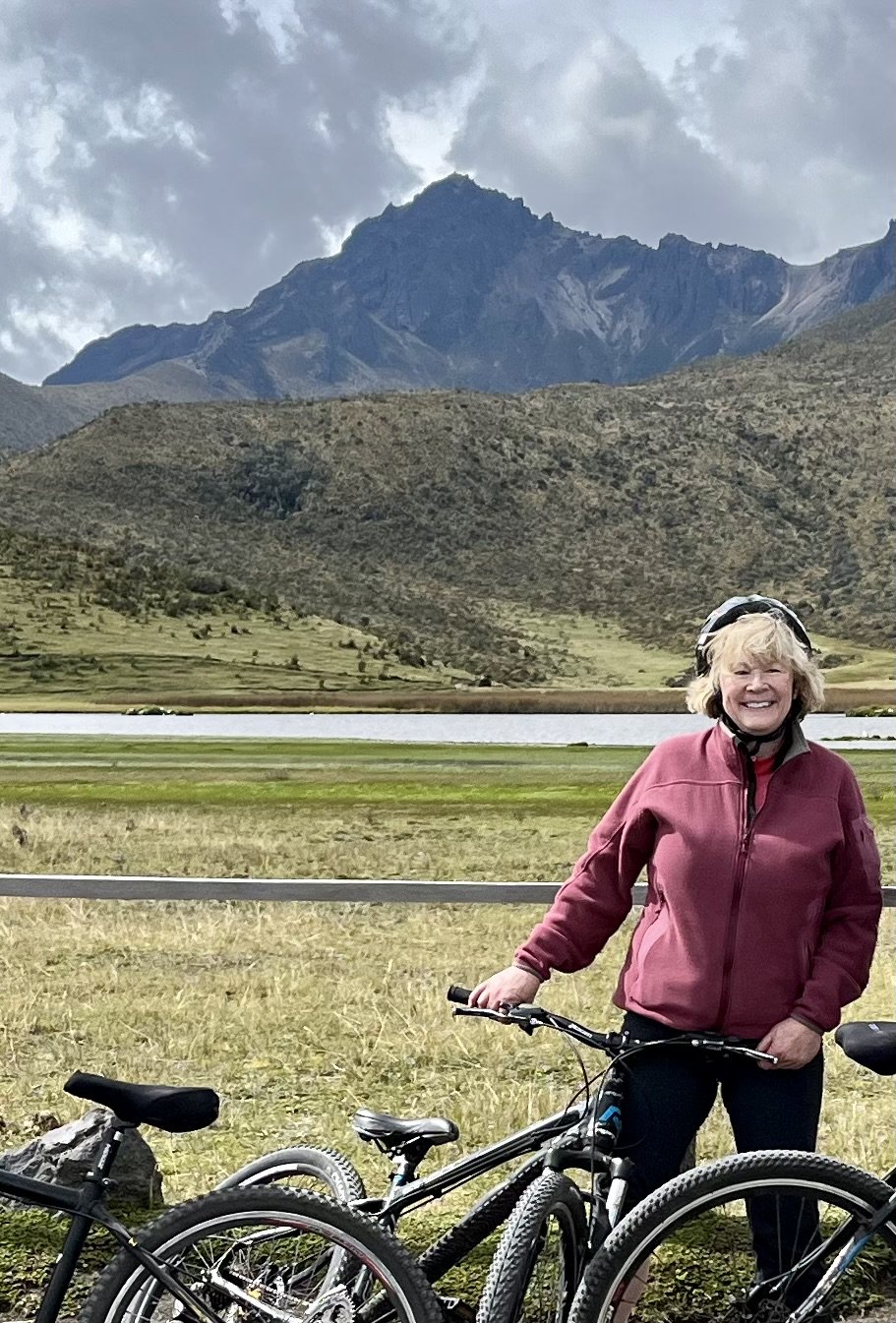
Cotopaxi, Ecuador (Bottom of the Volcano)
The altitude payoff. Riding my road bike 120 miles a week on domestic roads is the direct reason my legs and lungs didn’t back down from the thin, biting air at the base of this Andean giant. Photo by Step Bold | stepbold.co | @lateinlifecareers
You ride a 10-hour night bus from Quito to Lago Agrio, where the pavement dissolves into the Ecuadorian Amazon. You scramble down a steep, rocky bank to board a dugout canoe. After 4 hours of sitting low and cramped, you pull up to the wooden docks of Tucán Lodge.
Your legs are stiff. As you step off the motorized canoe, you immediately face a near-vertical staircase cut into the muddy riverbank. No handrails. Just slick, narrow steps of dark timber. You lean forward under the weight of your pack, relying entirely on your own balance to haul yourself up and into the thick of the jungle.
Right there, your travel plans cease to be an intellectual itinerary. They become a physical event.
You either have the raw physical capacity to make that climb, or you don’t. A helpful guide won't always materialize to pull you up.
When I travel solo, I have to face a hard biological reality: solo travel is a high-performance sport. Physical strength is the exact currency required to buy my lifelong freedom—and yours.
Respecting the Quiet Life, Choosing the Road
There is no single template for living these decades well, and there is certainly no hierarchy of choices.
Even for those of us who love the road, constant movement has its limits. At first, it is exhilarating: new coordinates, fresh landscapes, starlit dinners with strangers. But eventually, the packing and unpacking becomes its own repetitive chore. The highlights begin to blur. Soft sheets and exquisite local meals are wonderful, but the loop is always the same: arrive, explore, connect, pack, repeat.
I’m human, and I’m social—but too much social time and I need my sofa and morning coffee solitude to recharge. After weeks of unbound travel, I crave the quiet, domestic structures of my life. My own bed. Riding with my cycling buddies, familiar faces in the lap pool lanes, and dinner with lifelong girlfriends. I want my local farmers' market, to cook in my kitchen, and Sunday Mass with my parishioners.
Eventually, our joints and ligaments will tell us when it is time to let the adventure travel go. Quiet will naturally take up more space in our lives. But while the window remains open, the physical demands of the road are real. To step bold, our frames must be as ready as our minds.
When Organized is Simply Better
There is no shame in booking the tour, just as there is no trophy for doing it all yourself. Travel is deeply personal. For some, deciphering subway signs and converting local currency on the fly is a satisfying puzzle. For others, that same logistical friction creates overwhelming anxiety and can ruin the entire trip. We each weigh our budgets, physical health, energy levels, and stress tolerance—and we must choose the style of travel that actually serves us.
Never tolerate age-based gating, punitive policies, or infantilizing treatment disguised as “care.” This includes being excluded from tours because of the date on your passport, properties treating travelers over 60 (or solo travelers) as higher-risk liabilities, or being denied activities you’re fully capable of — like staff grabbing your surfboard while loading or unloading it, despite having the explosive upper body strength to paddle and pop up on a wave. When I traveled through India, the intense sensory overload, aggressive vendors, and chaotic transit were utterly exhausting. A vetted guide and driver didn’t diminish the experience — they unlocked it. But there’s a world of difference between helpful structure and being treated like fragile cargo.
The Fitness Pendulum
We’ve lived through the wellness pendulum swings. Think back to the 1980s aerobics craze. We jumped through high-impact routines in neon leotards, only to end up with shin splints and aching joints.
The correction was swift: low-impact became the new gospel. Jane Fonda and Oprah came into our living rooms preaching joint preservation and water aerobics. We turned to pool lanes and plastic dumbbells—those light, colored toys that promised fitness but delivered nothing more than a false sense of security.
It was a necessary course correction at the time. But now we know that "gentle" won’t keep you upright. Those tiny weights don’t trigger the mechanical stress needed for bone growth.
We don't lift weights to look like fitness influencers. We lift weights to carry our own load. We lift so we can toss a 40-pound bag into an overhead bin, and—critically—so we can stand up unassisted if we take a hard, bone-jarring fall off a log into a dry, rocky ravine in Cuyabeno. "Soft" wellness won't protect your bones when you slam into hard-packed dirt. If we want to keep exploring, we need real muscle architecture.
The Solo Travel Tax
When you travel solo, there is no safety net. No personal porter quietly carrying the load while you stroll empty-handed. Every mile, every bag you hoist, and every surfboard you carry to the ocean is a direct tax on your body. If you can’t pay it, your map shrinks.True self-care isn’t a resort spa or performative yoga for Instagram. It’s building a body that can handle real travel — walking 20,000 steps on ancient stone, sleeping in coach, and still waking up ready to explore. I ride my road bike 120 miles a week and lift heavy weights because I want strong bones, resilient joints, and the cardiorespiratory endurance that gentle stretching alone can’t deliver. My body is my ultimate travel insurance policy. I stay durable because the alternative is watching my world shrink.
Rejecting the Easy Slide
We spearheaded the women’s movement. We didn't simply "push against" barriers—we worked grueling hours, clawed through second and third jobs, fought demeaning sexism, and outplayed and outmaneuvered the boys' club to secure our financial freedom. Having shattered those glass ceilings decades ago, we sure as hell will not tolerate ageism now. We refuse to let our worlds contract.
This preparation is a passport to experiences I used to think belonged only on a screen. Because of the work I did at home, I was able to stand at the Refugio José Ribas base camp on Cotopaxi at 15,960 feet. In that thin, biting air, surrounded by climbers bound by grit and camaraderie, I stood mesmerized under a glaciated peak rising into the dark Andean sky. It felt entirely otherworldly—yet I was physically there, holding my own. If I can build the capability to stand in that space in my 60s, you can too.
Come.
To every woman over 60 reading this — the one hesitating before clicking “Purchase” on that flight booking, wondering if the Amazon Rainforest is too far, too wild, or if you can count on your body:
I see you.
I was you.
Progressive strength training, miles logged on the bike, and consistent laps in the pool are the foundation of adventure. Don't worry about the scale just now. Go build shoulders and a spine that can support your pack for days, not just for a moment. Feel what its like to climb hills without hesitation and navigate unfamiliar places with unshakeable confidence.
I’ve put this approach to the test on the steep, rain-slicked cobblestones of Quito, Panama City, and Nicaragua’s colonial streets—routes that once felt out of reach. But the strength I’ve gained offers more than just physical ease. The real reward is in the encounters: I’ve found a different kind of welcome from locals who treat me as capable, not fragile. I've forged fast connections on the road with other travelers, and discovered a heartfelt sense of belonging that stays with me long after I return home.
If you are a woman over 60, know this: you will belong. The world responds differently when you arrive capable and curious.
I’m simply the proof-of-concept—the one who went a little ahead to test the path and make sure it holds. It does. And I cannot wait to see you claim it, perhaps even leading the way yourself.
We're not done dreaming. We're just getting started. 🌿
Have you been to the Amazon—or does the deep wild still pull at you? Drop a comment below. And if this post pushed you one step closer, pass it along to the woman in your circle who is still hesitating over clicking ‘Purchase’ on that flight booking.
“Pack light. Step bold. Feel deeply.”
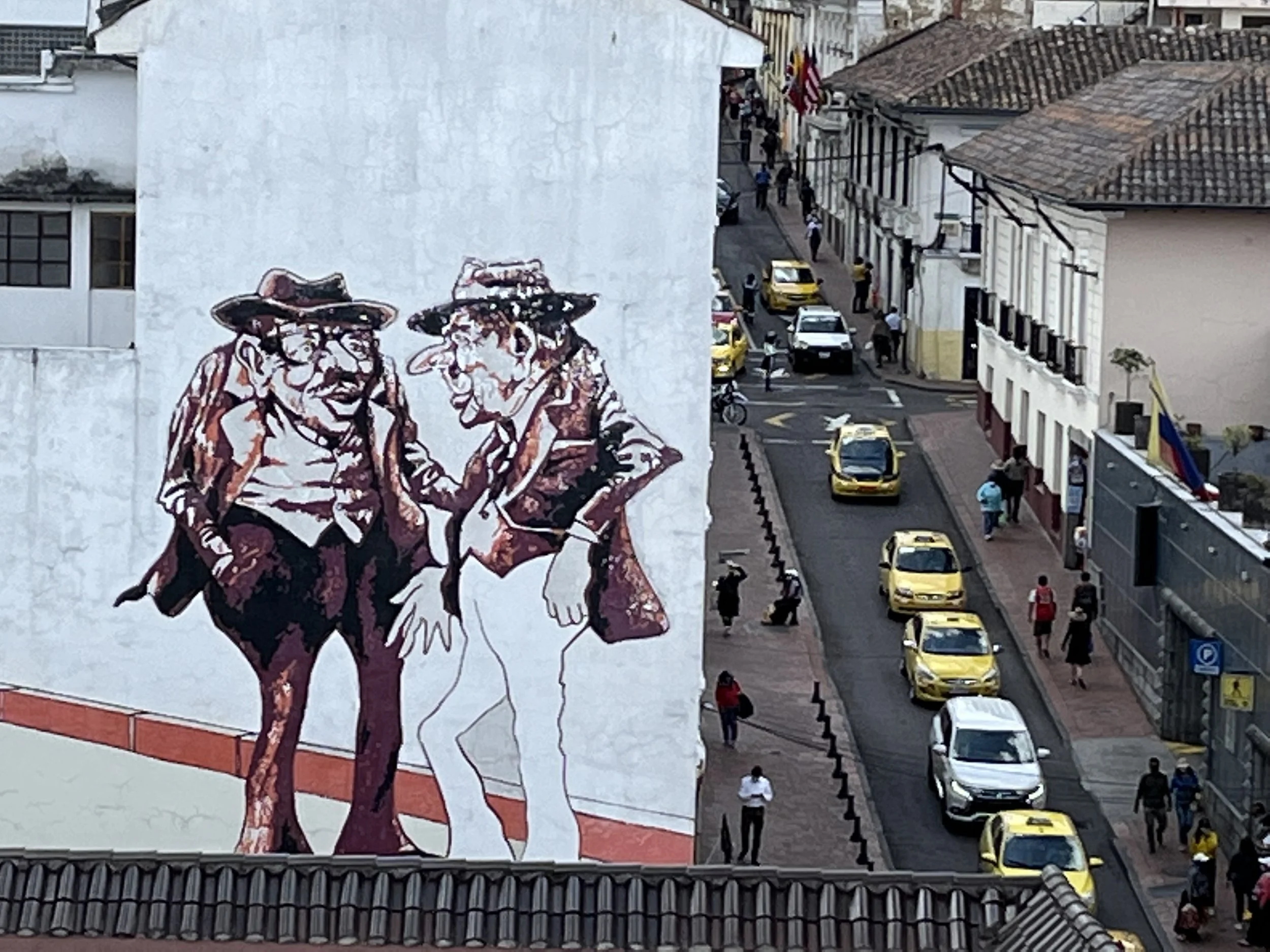
Quito, Ecuador historic center, cobblestone stability. Heavy lifting sessions at home build the ankle and knee resilience needed to explore these steep, rain-slicked preserved streets with complete confidence—no slipping, no hesitation. Photo by Step Bold | stepbold.co | @lateinlifecareers
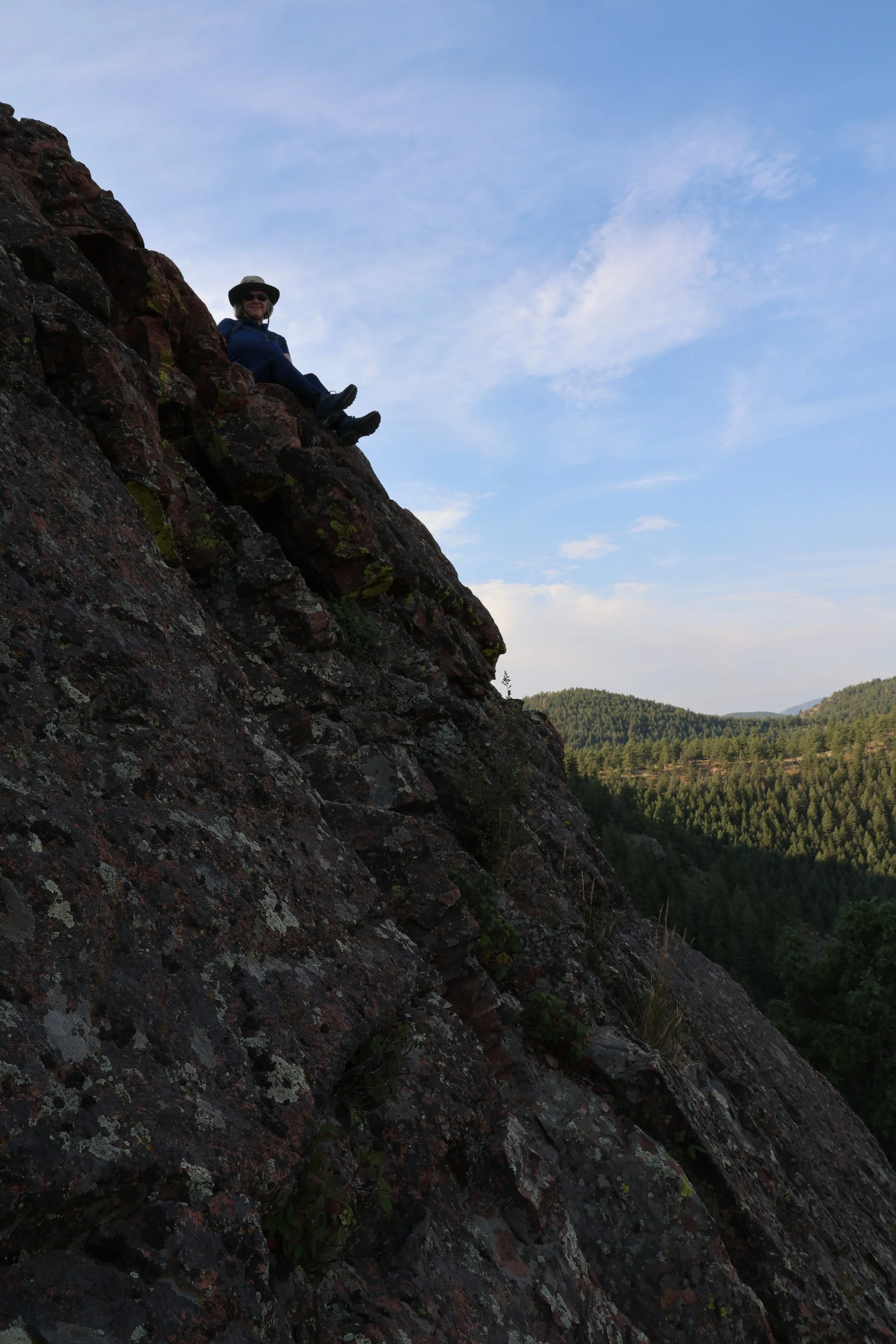
Mt Falcon Park, Morrison, CO. Scrambling with ease. Hauling myself up the steep, rocky drop-offs of Colorado at sunrise is a joy when my core, shoulders, and spine are conditioned to carry their own load. Photo by Tyler Brooks https://ttbphotography.smugmug.com/About-Me
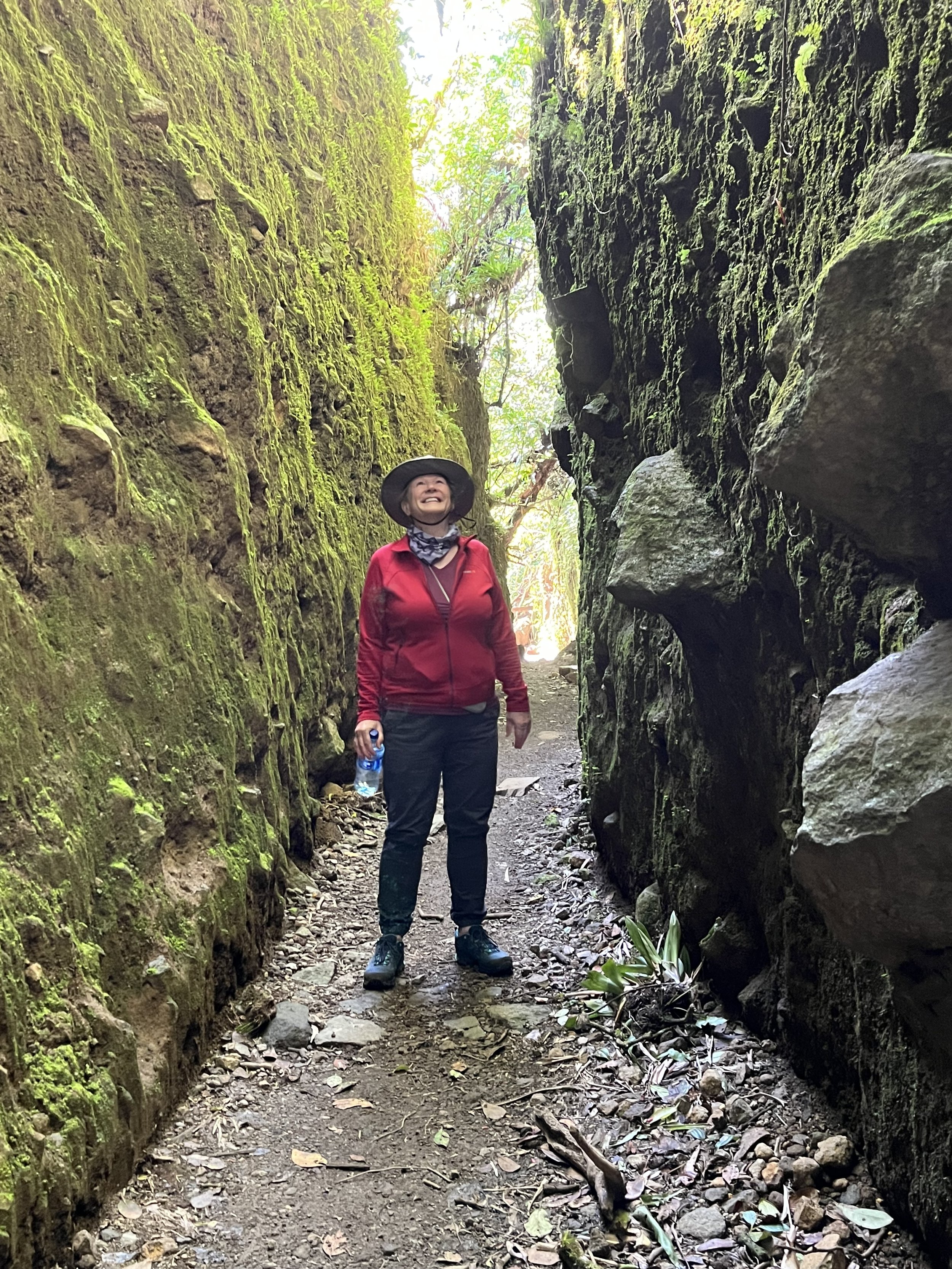
Crater Tunnels ("El Túnel") on Mombacho Volcano, Nicaragua
Looking up, not down. Consistent pool laps and deadlifts at home meant that when I reached this dramatic, split-rock volcanic passage, I spent the trek looking up in wonder—instead of looking down gasping for breath. Photo by Step Bold | stepbold.co | @lateinlifecareers
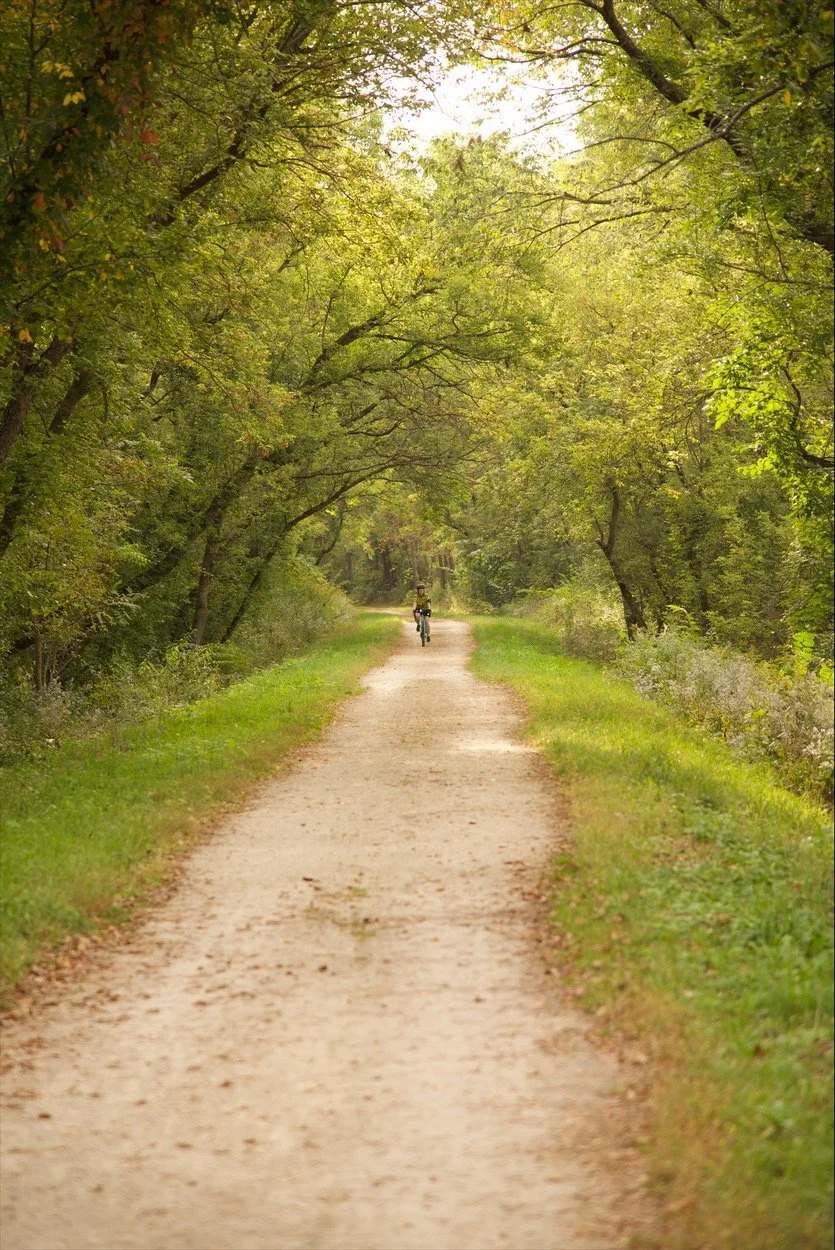
Illinois-Wisconsin Border (Rolling Hills Training)
The training ground. This is where the work happens. Every mile logged on these local, familiarity-rich roads is a direct deposit into the physical insurance policy that buys my freedom abroad. Photo by Jamie Stukenberg Fine Art Photography https://www.alltrails.com/trail/us/illinois/roland-olson-main-trail
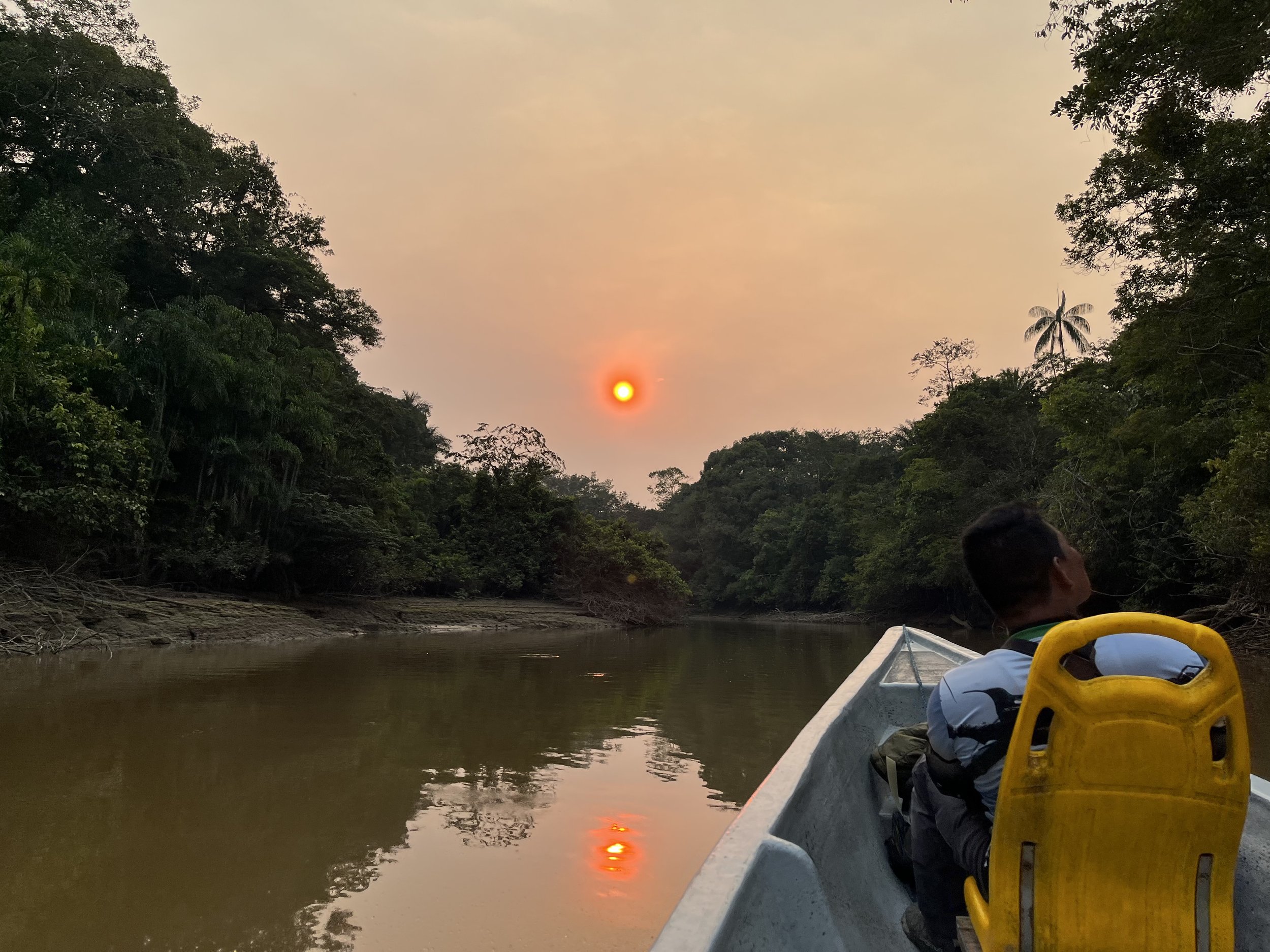
Cuyabeno Wildlife Reserve, Ecuador (Dugout Canoe Journey):Entering the wild with ease. Four hours in this dugout canoe, with the jungle climbing vertically on either side, is only possible because my training at home has built the stamina for stillness, the strength for the unexpected climb, and the readiness to say "yes" to the deepest invitations of life. Photo by Step Bold | stepbold.co | @lateinlifecareers https://tucanlodgecuyabeno.com/
https://www.instagram.com/explore/search/keyword/?q=cuyabeno%20lodge
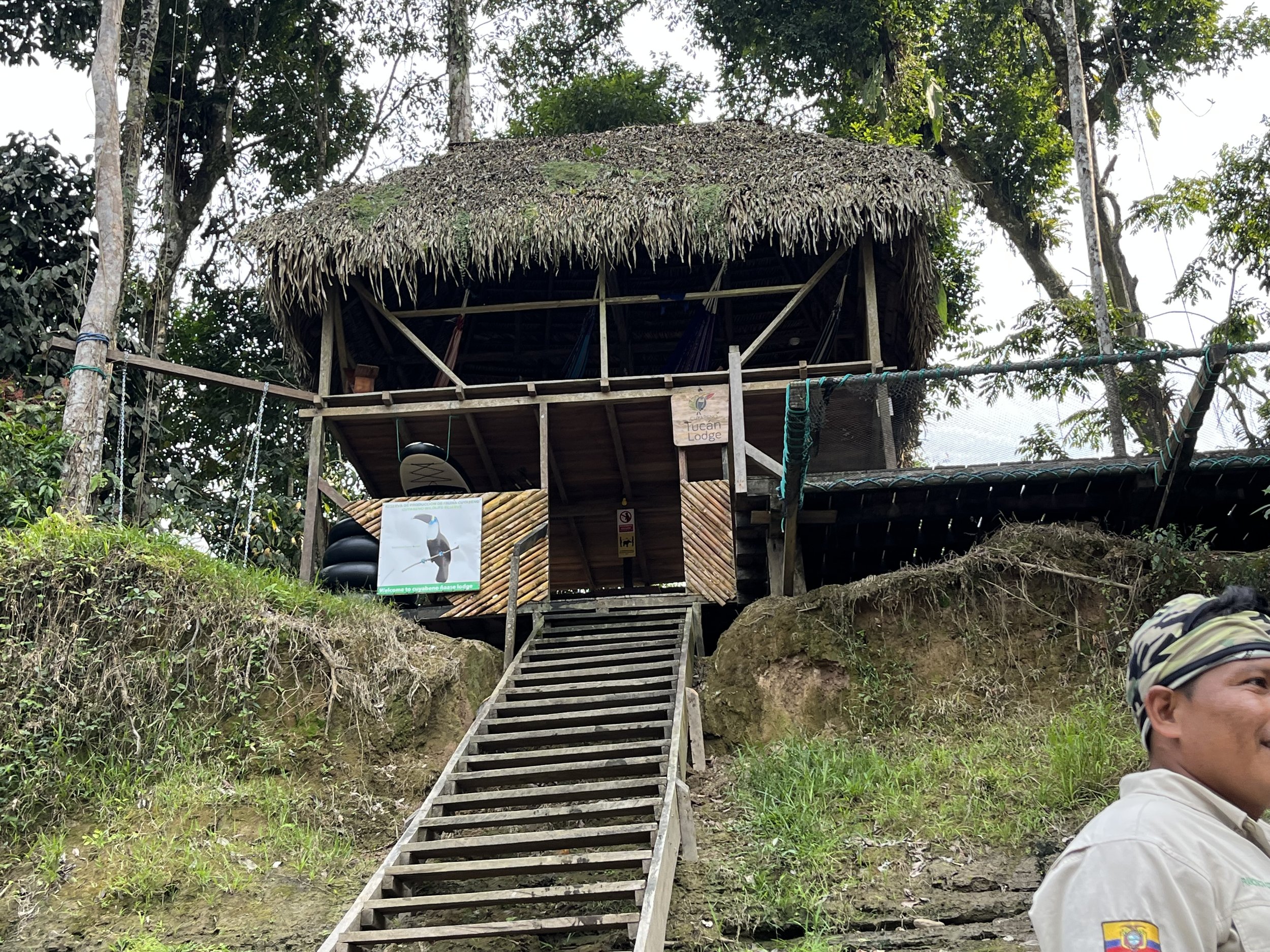
Tucán Lodge Cuyabeno. Dang, those steps were steep. Photo by Step Bold | stepbold.co | @lateinlifecareers https://tucanlodgecuyabeno.com/